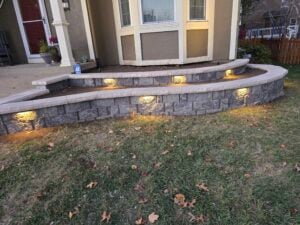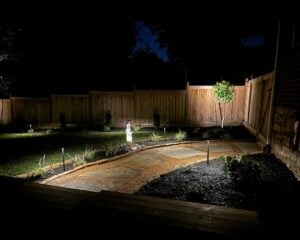
Your landscape doesn’t stop being part of your home when the sun goes down. A beautiful planting bed, mature tree, or inviting patio can look completely different after dark, especially if there isn’t enough light to see the details.
Landscape lighting can help you get more from your property after sunset. The right outdoor lighting can improve visibility along walkways, highlight the landscape features you’re proud of, and make patios and other outdoor living spaces more comfortable to use.
But getting those benefits isn’t just about adding more light. It’s about knowing where lighting will be the most useful and how different fixtures can work together.
In this landscape lighting guide, we’ll look at the benefits, areas of your property where it can make the biggest difference, and practical landscape lighting ideas for creating a safer, more inviting outdoor space.
What Are the Benefits of Landscape Lighting?
Landscape lighting can serve several purposes at once. It can make certain areas easier to navigate, bring attention to landscape features, and help you get more use out of your outdoor space.
| Landscape lighting benefit | How it helps |
| Safety & visibility | Illuminates walkways, steps, entrances, and other areas that can be difficult to see after dark. |
| Curb appeal | Highlights trees, planting beds, architecture, and other features |
| Outdoor living | Makes patios, seating areas, and entertaining spaces more comfortable to use |
1. Improves Safety and Visibility
A walkway that feels easy to navigate during the day can become a different story once the sun sets. Steps, uneven surfaces, changes in elevation, and edges around planting beds may be harder to see in low light.
Path lighting and other strategically placed fixtures can help illuminate these areas without flooding the entire yard with light. This gives family members and guests a clearer view of where they’re walking and can make entrances and frequently used paths feel more comfortable after dark.
When thinking about safety, look for areas like:
- Steps and changes in elevation
- Walkways with curves or uneven surfaces
- Front, side, and backyard entrances
- Paths between outdoor living areas
- Dark areas near retaining walls or mulch beds
The goal isn’t to make every corner of your property equally bright. Instead, consider where people move through the landscape and where additional visibility would be most helpful.
2. Enhances Curb Appeal at Night
Your home and landscaping can be just as attractive in the evening as they are during the day, but the right lighting is needed to make those details visible.
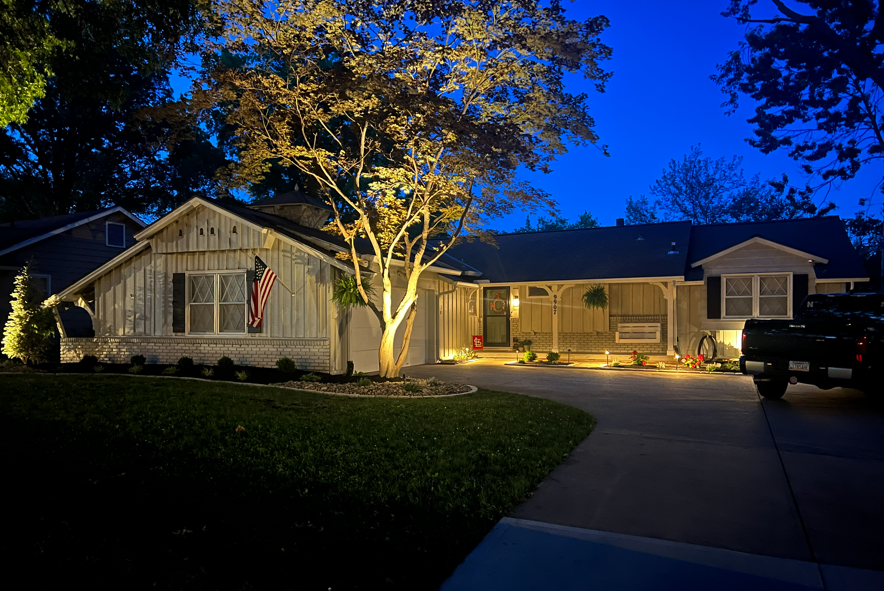
Accent lighting can draw attention to decorative trees, colorful planting beds, stonework, or architectural features. Even subtle illumination can create depth by bringing some parts of the landscape forward while allowing others to fade into the background.
This is especially useful if you’ve invested in landscaping that you want to enjoy beyond daylight hours. A thoughtful lighting design can highlight:
- Mature trees and distinctive plantings
- Garden beds and ornamental features
- Stonework, retaining walls, or other hardscaping
- Architectural details around your home
- Focal points you want to showcase after dark
Rather than lighting everything at the same intensity, strategic placement can create focal points and give your property a finished appearance at night. In some cases, adding landscape lighting can even increase your home’s value.
3. Extends the Use of Your Outdoor Living Spaces
One of the simplest benefits of landscape lighting is that it can help you spend more time outside.
A patio, outdoor kitchen, or seating area still works after the sun goes down. But without enough light, it can be harder to prepare food, move around, or comfortably spend time with family and friends.
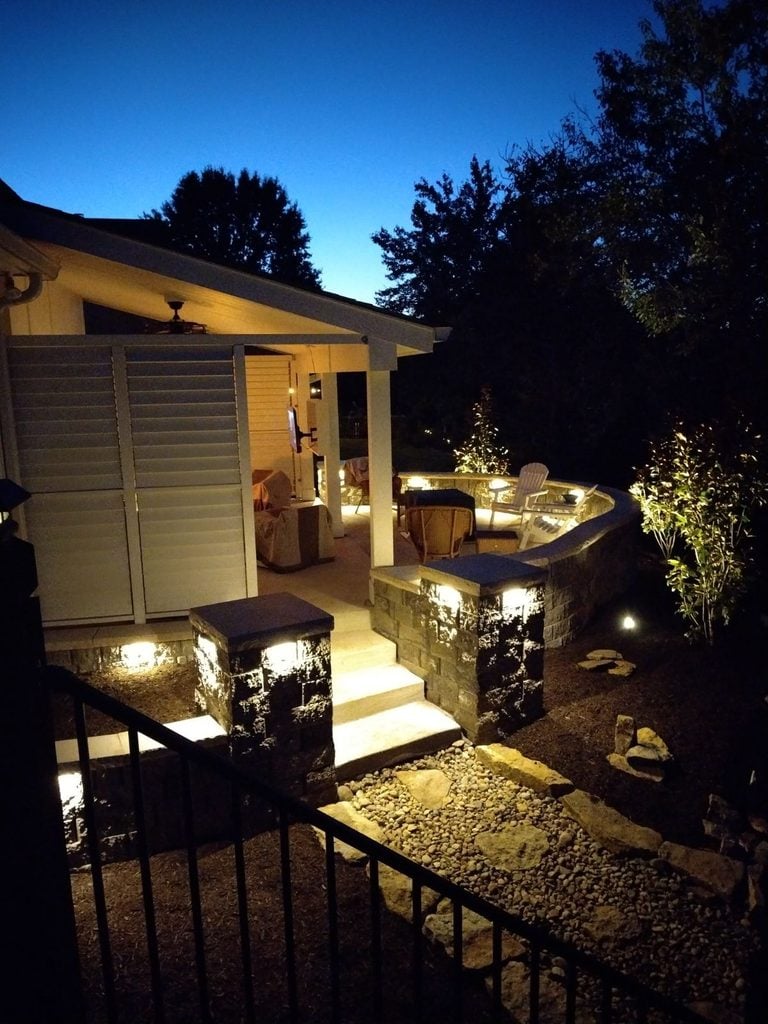
Outdoor lighting solutions can give your unique spaces the visibility they need. Softer lighting around a seating area may make a space feel more inviting, while an outdoor kitchen could benefit from brighter, more focused illumination.
Think about the activities you do in each space. You may need lighting for:
- Walking between seating and entertaining areas
- Gathering with family and friends
- Preparing food in an outdoor kitchen
- Enjoying a patio or deck in the evening
- Highlighting landscaping around an outdoor living area
Where Should You Install Landscape Lighting?
Once you know what you want your lighting to accomplish, the next step is deciding where it can make the biggest difference. However, there’s no single formula for outdoor landscape lighting. The best locations depend on your property, the features you want to highlight, and how you use your outdoor spaces.
Light Walkways and Entry Points
Walkways and entrances are some of the most practical places to add lighting because they’re areas people need to navigate regularly.
Consider installing landscape lighting around:
- Front walkways and entry paths
- Steps and changes in elevation
- Paths leading to patios or backyard spaces
- Driveway and garage approaches
- Front and side entrances
Path lighting can help define a route without requiring a row of bright fixtures along the entire walkway. Even a handful of strategically placed lights can provide useful illumination while keeping the landscape comfortable and natural-looking.
Highlight Trees, Shrubs, and Architectural Features
Landscape lighting ideas can also focus on the features that give your property personality.
A trimmed tree, ornamental shrub, retaining wall, stone feature, or interesting architectural detail can become a focal point after dark with the right placement. Accent lighting can emphasize texture and shape that would otherwise disappear into the shadows.
Illuminate Patios, Seating Areas, and Outdoor Kitchens
To get the most use out of them, outdoor living spaces often need a combination of practical and decorative lighting.
For example, an outdoor kitchen may need focused light where food is being prepared, while a nearby seating area would benefit from softer, cozier lighting. A patio walkway might need path lights to guide foot traffic, while accent features can highlight the surrounding plants and landscaping.
Using different types of lighting for different purposes can make the entire space feel more intentional.
Landscape Lighting Ideas for a More Functional Outdoor Space
Once you’ve identified where lighting would be useful, think about how different lighting techniques can work together. You don’t necessarily need more fixtures, just the right fixtures in the right places.
Use Path Lighting to Guide Foot Traffic
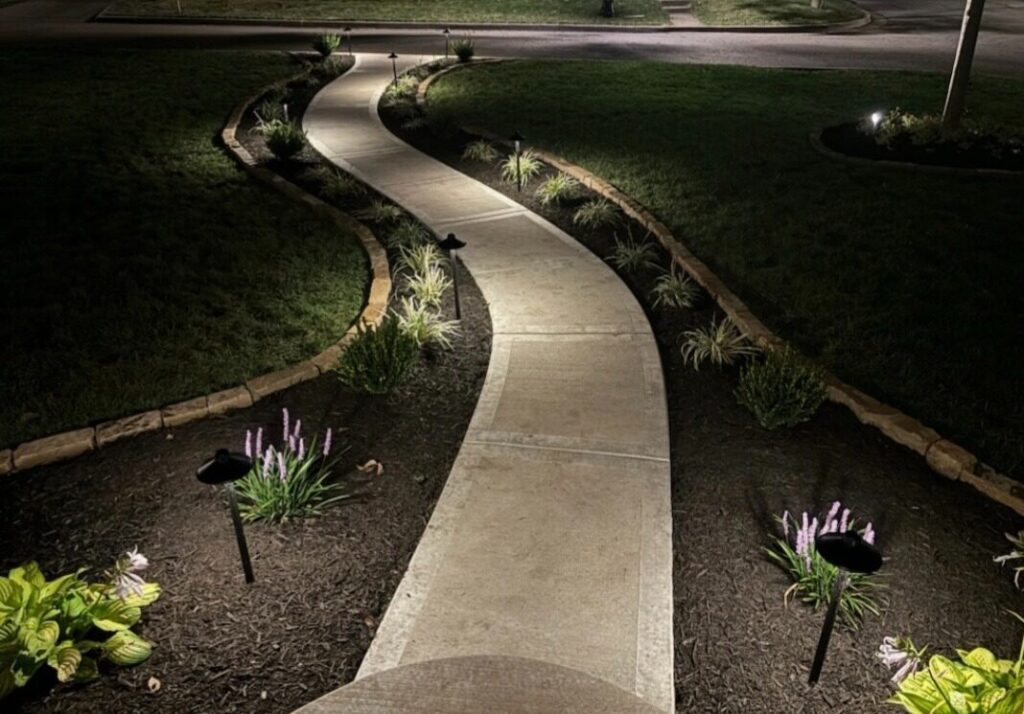
Path lighting helps people see where they’re going and gives walkways a defined edge after dark. Place fixtures where they improve visibility around curves, steps, entrances, and other hard-to-see areas.
Keep these considerations in mind:
- Avoid placing fixtures so close together that the walkway feels overly bright.
- Pay attention to curves, intersections, and changes in elevation.
- Consider how lighting will look from both the walkway and the house.
- Use placement to guide people naturally through the landscape
Use Accent Lighting to Highlight Landscape Features
Accent lighting allows you to showcase specific features instead of illuminating the entire landscape.
Depending on the feature, lighting from below or from another strategic angle can emphasize the shape of a tree, the texture of stonework, or the structure of a hardscape. A few well-placed fixtures can often have more impact than trying to light everything.
When choosing focal points, ask yourself:
- What features are most noticeable during the day?
- Which areas disappear after sunset?
- Where could light add depth or visual interest?
- How will the lighting fit with the rest of your landscape?
Layer Different Types of Outdoor Lighting
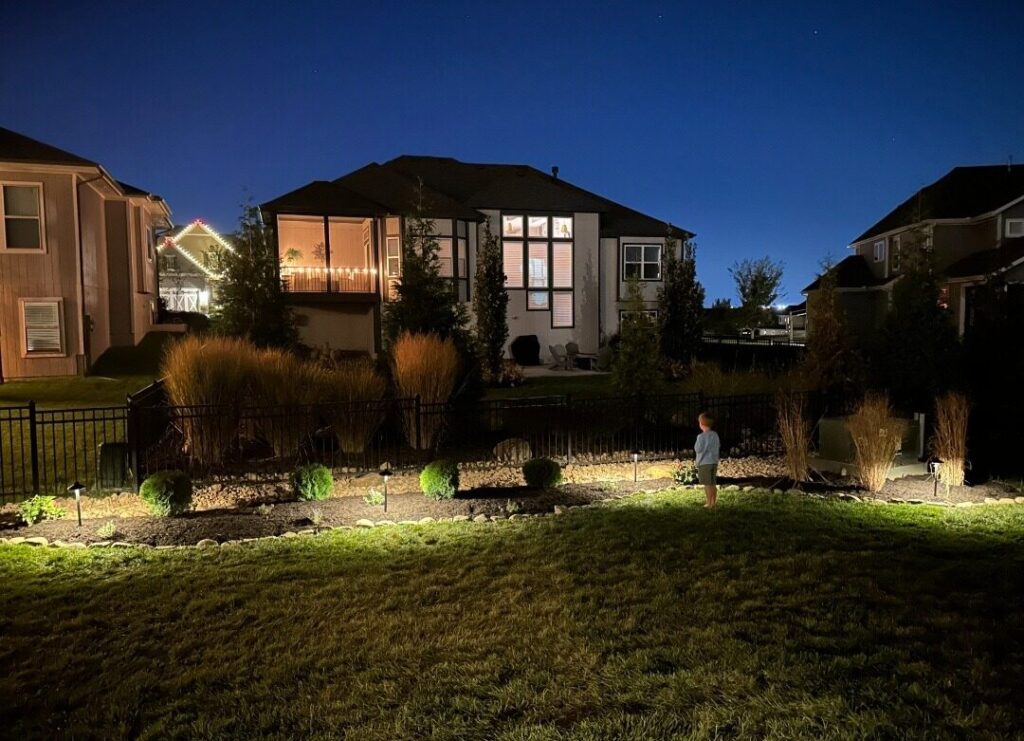
The most effective outdoor landscape lighting plans often combine several strategies. Path lighting can address visibility, accent lighting can highlight focal points, and area lighting can make gathering spaces easier to use.
Think of each fixture as having a job. When the different layers work together, your landscape can feel welcoming and balanced rather than just… bright.
Why Professional Landscape Lighting Makes a Difference
Choosing the fixtures is only part of creating an effective lighting system. Placement, light direction, brightness, and the surrounding landscape all affect the finished result.
Professional landscape lighting can be planned around the way your property is used and the features you want to emphasize. An experienced landscaping team can also help you avoid common lighting problems like excessive glare, poor positioning, or lighting that feels disconnected from the rest of the landscape.
The goal is a lighting plan that looks natural during the evening while providing the practical benefits you need.
Create a Safer, More Usable Landscape with Ascend
The right landscape lighting does more than brighten your property after dark. It can make walkways easier to navigate, bring attention to the landscaping and architectural features you enjoy, and help patios, outdoor kitchens, and other gathering spaces stay useful into the evening.
The key is creating a lighting plan that works with your landscape rather than simply adding fixtures wherever there’s a dark spot. With thoughtful placement, the right combination of lighting techniques, and a focus on how you actually use your property, outdoor lighting can improve both the function and appearance of your landscape.
Ascend lawn & landscape can help you design an outdoor lighting plan that complements your existing landscape and fits your needs. Contact Ascend today to explore professional landscape lighting options for your Kansas City-area home.