
When summer settles into Johnson County, it doesn’t take long for the heat to make itself known. Between weeks of temperatures climbing into the 90s, occasional triple-digit heat indexes, high humidity, and unpredictable rainfall, even a healthy lawn can begin to show signs of stress.
If you’ve noticed brown patches, wilting grass, or footprints that seem to linger after walking across your yard, you’re not alone.
Most lawns throughout the Kansas City metro feature cool-season grasses like tall fescue and Kentucky bluegrass. While these grasses thrive during the spring and fall, the unpredictable Midwest summer is their toughest season.
The good news? A few adjustments to your lawn care routine can go a long way toward protecting your grass until cooler temperatures return.
Why Kansas Summer Heat Is Hard on Your Lawn
Unlike warm-season grasses found farther south, the cool-season grasses commonly grown throughout Johnson County naturally slow their growth when temperatures consistently rise above 85°F. During extended heat waves, your lawn shifts its energy from growing to simply surviving.
Adding to the challenge, many neighborhoods in Johnson County have clay-heavy soils. While clay retains moisture well, it also absorbs water slowly and can lead to runoff if irrigation is applied too quickly.
Combine that with stretches of hot, dry weather interrupted by fast-moving summer thunderstorms, and your lawn may not receive the consistent moisture it needs to stay healthy.
| Kansas Summer Conditions | How it Affects Your Lawn |
| Temperatures regularly reaching the 90s | Increases water loss and slows grass growth |
| High humidity | Creates favorable conditions for fungal diseases while still stressing turf |
| Clay-heavy soil | Slows water absorption and can increase runoff if watered too quickly |
| Inconsistent rainfall | Makes it difficult for lawns to receive consistent moisture |
| Cool-season grasses like tall fescue and Kentucky bluegrass | Naturally struggle during prolonged summer heat |
It’s also important to understand the difference between dormancy and damage.
During prolonged heat or drought, grass may turn brown and temporarily go dormant as a natural survival mechanism. Dormant grass isn’t necessarily dead—in many cases, it will recover once temperatures cool and consistent moisture returns.
However, prolonged stress without proper care can weaken the lawn, making it more vulnerable to weeds, insects, and disease.
4 Summer Lawn Care Tips for Hot Weather
Keeping your lawn healthy during the hottest part of the year doesn’t require watering around the clock or mowing every weekend. Instead, focus on reducing stress while encouraging deep, healthy root growth.
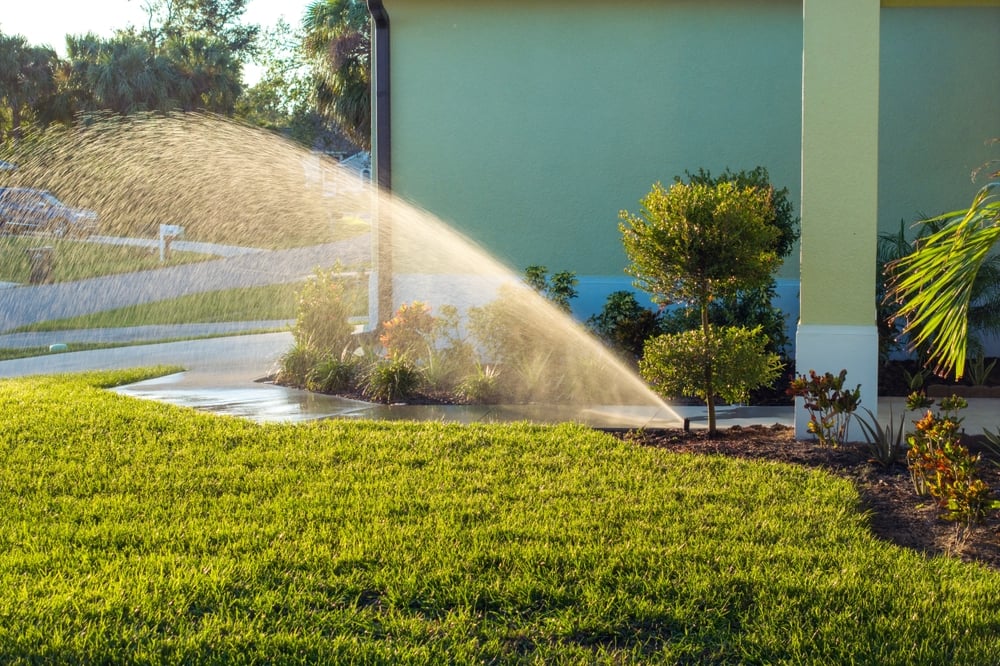
1. Proper Watering During High Temperatures
One of the biggest mistakes homeowners make during extreme heat is watering too often with short watering cycles. Frequent, shallow watering encourages shallow roots, making your lawn even more susceptible to heat stress.
Instead, follow these best practices for watering your lawn:
Do:
- Water early in the morning, ideally between 5 a.m. and 9 a.m.
- Apply approximately 1 to 1½ inches of water per week, including rainfall.
- Water deeply two to three times per week to encourage deeper root growth.
- Adjust your irrigation schedule after significant rainfall.
Avoid:
- Watering during the hottest part of the day when evaporation is highest.
- Light daily watering that encourages shallow roots.
- Running sprinklers long enough for water to pool or run onto sidewalks and driveways.
- Assuming every summer thunderstorm provides enough moisture to skip watering.
If your lawn has clay soil—a common characteristic for much of the Midwest—consider watering in shorter cycles with a brief pause between them. This allows water to soak into the soil instead of running off, helping your lawn get the moisture it actually needs.
2. Adjusting Mowing Height During Summer
Mowing shorter might seem like a way to reduce maintenance, but it actually puts more stress on your lawn during hot weather. Taller grass blades naturally shade the soil, helping retain moisture and keep root systems cooler during the hottest part of the day.
For most Johnson County lawns with tall fescue or Kentucky bluegrass, follow these mowing recommendations:
| Recommendation | Why It Matters |
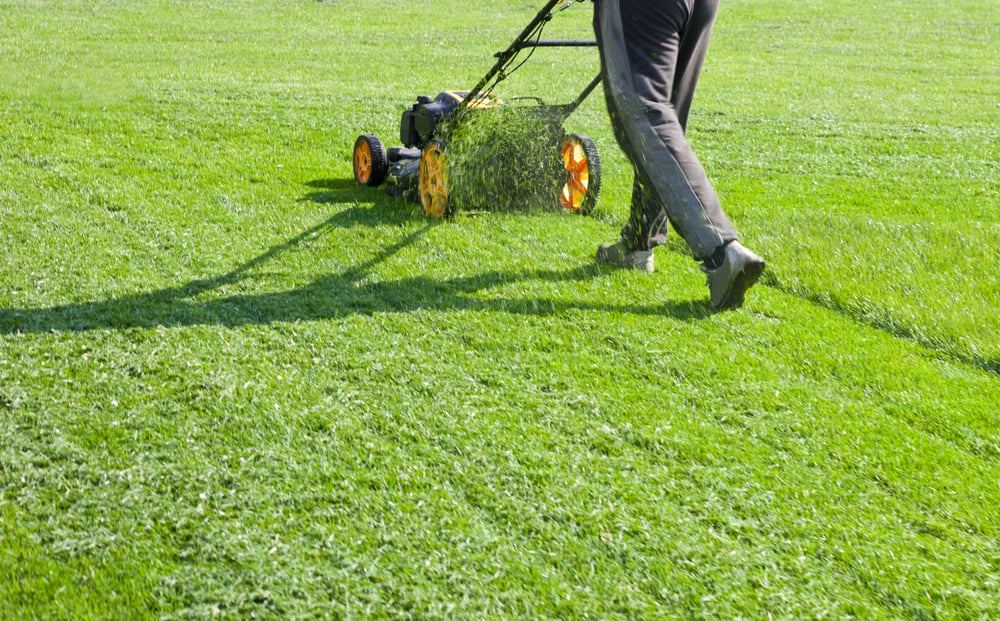
| Mow at 3½–4 inches | Shades the soil and helps retain moisture |
| Never remove more than one-third of the blade | Reduces stress and encourages healthy growth |
| Keep mower blades sharp | Prevents torn grass that loses moisture faster |
| Leave grass clippings when possible | Returns nutrients to the soil and helps conserve moisture |
These small adjustments can make a noticeable difference in how well your lawn tolerates prolonged periods of extreme heat.
3. Reduce Lawn Stress During Heat Waves
Extreme heat affects more than just grass—it also changes how your lawn responds to everyday activity. Once your lawn is under stress, minimizing additional wear can help it recover more quickly.
Simple ways to reduce summer lawn stress include:
- Rotate backyard games and activities to avoid wearing down the same areas.
- Avoid parking trailers, equipment, or heavy vehicles on the lawn.
- Limit repeated pet traffic in the same spots whenever possible.
- Hold off on aggressive fertilization until temperatures cool.
- Save aeration and seeding for the fall growing season.
These practices may seem minor, but they can significantly reduce unnecessary stress on grass that’s already working hard to survive Kansas’ hottest weeks.
4. Know the Signs of Heat and Drought Stress
Extreme summer temperatures don’t just cause your lawn to look dry—they can actually slow growth, weaken root systems, and make your grass more vulnerable to weeds, insects, and disease.
For the cool-season grasses commonly found throughout Johnson County, prolonged periods of heat and limited rainfall often trigger heat or drought stress, a natural response that helps the grass conserve energy and moisture.
The sooner you recognize the warning signs, the better your chances of preventing temporary stress from becoming long-term damage.
Common signs of heat and drought stress include:
- Grass blades folding or curling inward to reduce moisture loss.
- A bluish-gray or dull green color instead of a healthy green appearance.
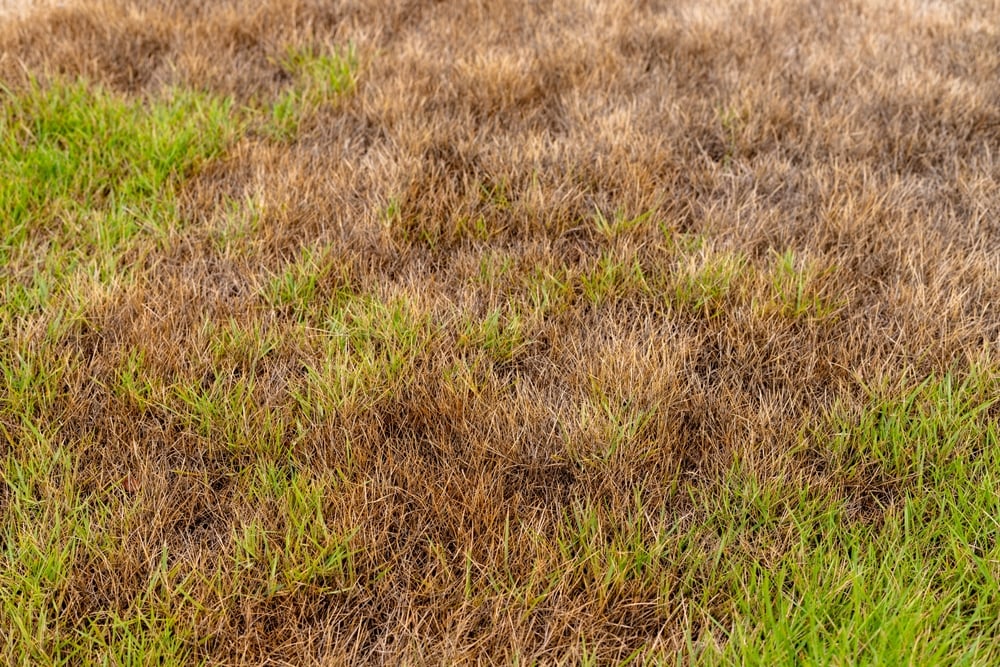
- Footprints that remain visible after walking across the lawn because the grass doesn’t spring back.
- Wilting or thinning turf, especially in areas with full afternoon sun.
- Dry or expanding brown patches that don’t improve after watering.
- Little to no new growth, even if you’re mowing regularly.
Some browning during a Kansas summer is completely normal, especially during extended stretches of hot, dry weather. In many cases, your lawn may simply be entering dormancy, a temporary survival mechanism that allows grass to conserve resources until cooler temperatures and more consistent rainfall return.
However, if large sections of your lawn remain brown after several weeks of proper watering, or the turf pulls away easily from the soil, the problem may be more than heat stress. Irrigation issues, soil compaction, insects, or lawn diseases can all produce similar symptoms and may require a different solution.
When to Call a Professional for Summer Lawn Care
Even with proper watering and mowing, some summer lawn problems require more than routine maintenance. If your lawn isn’t bouncing back after a period of extreme heat, a professional can identify underlying issues that aren’t always visible from the surface.
Consider calling a lawn care professional if:
- Your lawn hasn’t improved after two to three weeks of proper watering.
- Brown or thinning areas continue to spread.
- Your irrigation system isn’t providing even coverage.
- You suspect drainage, soil compaction, or other underlying soil issues.
- You’d like a plan to strengthen your lawn before the fall growing season.
A professional lawn assessment can identify the underlying cause and recommend the right solution before the damage becomes more difficult (or expensive) to repair.
Keeping Kansas Lawns Healthy All Summer Long
If you’re struggling to keep your lawn healthy through the summer, Ascend lawn & landscape is here to help. Our team works with homeowners throughout Johnson County to diagnose lawn issues, recommend the right solutions, and keep both landscapes and hardscapes looking their best—even during Kansas’ hottest months
Whether you need routine lawn maintenance, irrigation support, or expert guidance tailored to Johnson County’s unique climate and growing conditions, contact Ascend lawn & landscape today to keep your lawn healthy and set it up for success this fall.