Spring is one of the most important times of year for landscaping in the Midwest. Your lawn is recovering from winter and conditions are right for planting—and the decisions you make can have a long-term impact on how your landscape performs.
But success in spring isn’t just about getting plants in the ground. Choosing the best spring plants, especially for Kansas or Missouri soil and weather conditions, plays a major role in how well your landscape establishes and grows over time.
If you’re planning your spring landscaping projects, here’s how to approach plant selection and follow proven spring planting tips to set your landscape up for long-term success.
Why Spring Is the Best Time for Planting
Spring offers a unique combination of conditions that support healthy root development, which is the foundation of any successful landscape.
Ideal Root Establishment Window
In early to mid-spring, temperatures are mild and consistent, which reduces stress on newly installed plants. Instead of focusing energy on surviving extreme heat, plants can direct their growth below the surface, developing strong, established root systems.
This early root development is critical, especially in the Midwest. By the time summer heat arrives, plants that were installed in spring are better equipped to handle drought conditions and temperature swings.
Soil Conditions in the Midwest
Spring also brings increased moisture, which helps roots settle into the soil more easily. However, in Kansas and Missouri, soil composition can be a challenge.
Many properties have dense, clay-heavy soil that holds water longer than what is ideal. While moisture is beneficial, poor drainage can lead to root issues if not addressed properly.
This is why successful spring planting tips go beyond timing; they include proper soil preparation and plant selection that matches local conditions.
Best Plants to Install in Spring in the Midwest
When choosing the best plants to plant in spring, it’s important to focus on varieties that are well-suited to the Midwest climate. Plants that can handle temperature fluctuations, periods of heavy rain, and summer heat will always perform better over time.
Native Plants for Long-Term Growth
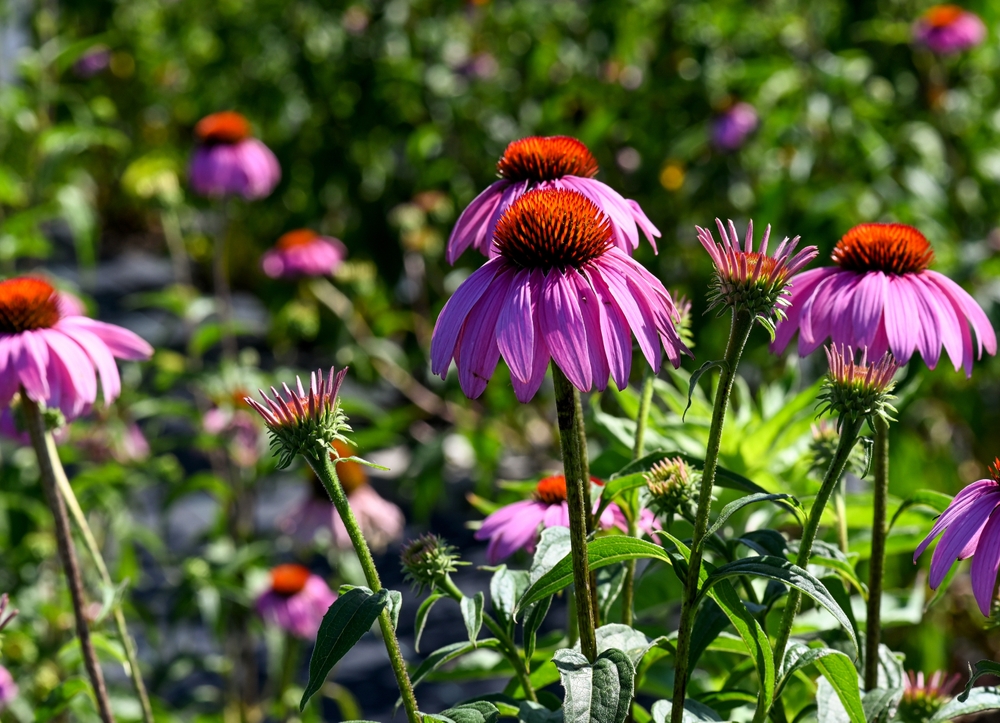
Native plants are one of the most reliable choices for spring landscaping in the Midwest. Because they’re naturally adapted to local soil and climate conditions, they require less maintenance and tend to establish more quickly.
Some strong options for native plants to use in landscaping include:
- Coneflower (Echinacea)
- Black-eyed Susan
- Switchgrass
- Butterfly Milkweed
- Prairie Dropseed
These plants are not only durable, but they also support local ecosystems and provide consistent seasonal interest (like the drought-resistant Butterfly Milkweed, which doubles as a magnet for endangered Monarch butterflies).
For homeowners looking for a low-maintenance, long-term solution, native plants are often the best place to start.
Trees That Thrive When Planted Early
Spring is an ideal time to plant trees, giving them several months to establish roots before the stress of summer.
In the Midwest, some of the best-performing trees include:
- Red Maple
- Oak varieties
- Serviceberry
Planting early allows these trees to focus on root development before putting energy into foliage. Over time, this leads to stronger growth, better structure, and increased resilience.
Tree placement is just as important as tree selection. Factoring in mature size, shade coverage, and proximity to structures ensures your investment continues to add value to your property for years to come.
Shrubs That Add Structure and Curb Appeal
Shrubs play a key role in defining the structure of your landscape. They frame your home, create clean lines, and provide year-round visual interest.
Popular options for shrubs that do well in Midwest landscapes include:
- Boxwood
- Hydrangeas
- Spirea
These shrubs offer a balance of durability and visual appeal, making them a reliable choice for foundation plantings and landscape beds. When installed in spring, they have ample time to establish before peak growing season.
Perennials for Seasonal Color
Perennials are a great way to bring color and variation into your landscape without replanting each year.
Some dependable choices for Kansas homes include:
- Daylilies
- Hostas
- Salvia
By layering perennials with different bloom times, you can create a landscape that evolves throughout the season. Spring planting gives these plants time to establish roots early, resulting in stronger growth and more consistent blooms.
4 Spring Midwest Planting Tips for Healthy Roots
Even the best plants need the right installation and care to reach their full potential. Proper technique plays a major role in long-term success.
- Plant at the Right Depth
One of the most common mistakes in planting is placing plants too deep in the ground. Roots need access to oxygen, and burying them too deeply can limit growth or lead to long-term issues.
A good rule of thumb is to keep the top of the root ball level with, or slightly above, the surrounding soil.
- Prepare the Soil Properly
Soil preparation is critical in the Midwest, especially in areas with heavy clay.
Breaking up compacted soil, incorporating organic material, and ensuring proper drainage can significantly improve root development. Without this step, even the toughest plants may struggle to establish.
- Water Deeply and Consistently
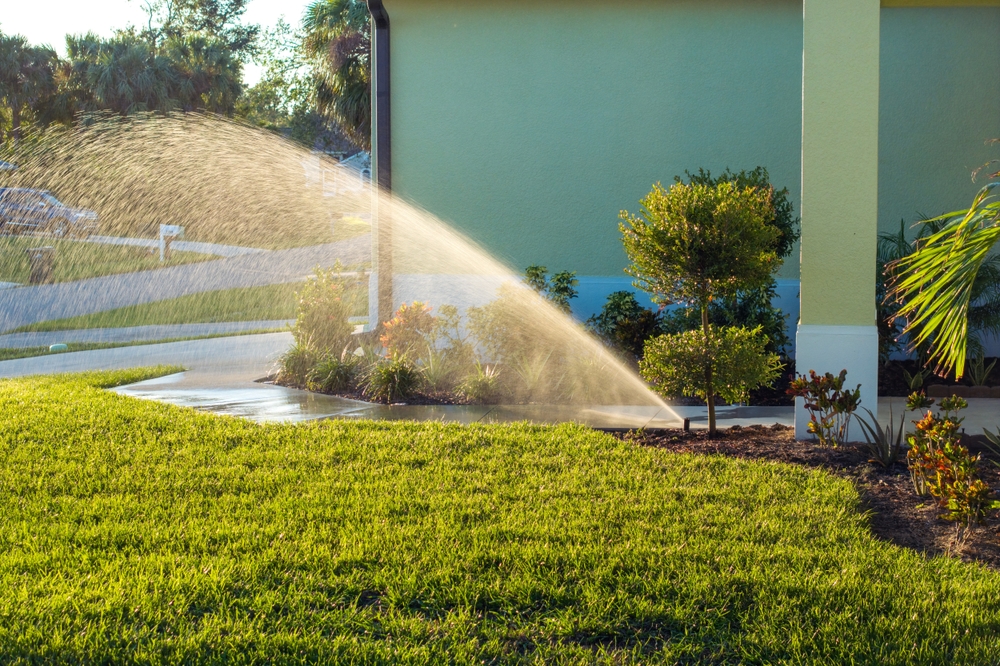
Newly planted trees, shrubs, and perennials need consistent watering, especially in the first few weeks.
Instead of frequent shallow watering, focus on deep watering that encourages roots to grow downward. Over time, this creates stronger, more drought-resistant plants that can withstand hot summers.
- Use Mulch to Protect and Retain Moisture
Mulch helps regulate soil temperature, retain moisture, and reduce weed growth—all of which support healthy root systems.
Applying a proper layer of mulch around new plantings can make a noticeable difference in how well they establish during the early stages.
When to Bring in a Professional Landscaping Team
While smaller planting projects can be manageable, larger spring landscaping efforts often benefit from professional guidance.
Installing trees, addressing drainage issues, or designing a cohesive landscape plan requires a deeper understanding of soil conditions, plant selection, and long-term growth patterns. Mistakes made during installation can be difficult (and costly) to correct later.
Working with a professional team ensures your landscape is designed and installed with long-term success in mind, not just short-term results.
Set Your Landscape Up for Long-Term Success
Spring is more than just the start of the growing season—it’s your opportunity to build a landscape that will thrive for years to come.
By choosing the best plants to plant in spring, preparing your soil properly, and following proven spring planting tips, you can create a landscape that holds up through Midwest weather and continues to improve over time.
If you’re ready to take the guesswork out of your spring lawn care, the team at Ascend lawn & landscape is here to help. From plant selection to full landscape design and installation, we focus on solutions that are built to last.
Contact Ascend today to start planning your spring project and create a landscape designed for long-term success.