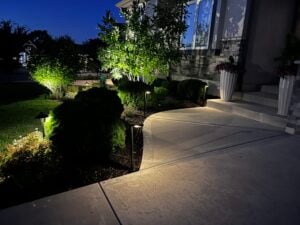
For business owners, your landscape plays an important role in how your property is perceived—but it shouldn’t demand constant attention. A clean, well-designed exterior helps create a professional first impression, yet many businesses don’t have the time or resources for high-maintenance landscaping.
That’s why low-maintenance business landscaping is such a smart investment. With the right design choices, you can reduce upkeep, control long-term costs, and maintain a polished look that supports your business without adding to your to-do list.
What Is the Value of Low-Maintenance Landscaping for Businesses?
Your exterior is often the first interaction someone has with your business. A clean, well-kept landscape communicates professionalism, reliability, and attention to detail. On the flip side, overgrown beds, patchy turf, or dying plants can send the wrong message before anyone even walks through the door.
Low-maintenance landscaping helps business owners strike the right balance between appearance and practicality. Fewer demanding plants and simpler designs mean less time spent on upkeep and fewer surprise costs throughout the year.
This approach also allows your landscape to stay consistent across seasons, rather than looking great for a few months and neglected the rest of the time.
There’s also a long-term benefit: sustainable, low-input landscapes tend to be more resilient. They handle weather fluctuations better, require less water, and experience fewer issues with pests or disease. That means fewer disruptions and a property that looks good with minimal intervention—exactly what busy business owners need.
6 Low-Maintenance Landscape Options Business Owners Should Consider
Creating a low-maintenance landscape isn’t about cutting corners. It’s about making smart choices that reduce workload, while improving durability and visual appeal.
Here are some of the most effective low-maintenance landscape ideas for commercial properties.
1. Choose Low-Maintenance and Native Plants
Plant selection is one of the most important decisions in any landscape design. Native and well-adapted plants are naturally suited to local climate conditions, which means they require less water, fertilizer, and hands-on care once they’re established.
These plants are also more resistant to local pests and diseases, reducing the need for treatments or replacements. For business owners, this translates to healthier beds that maintain their shape and color with minimal upkeep.
Low-maintenance plant palettes typically focus on a smaller variety of species repeated throughout the property. This creates a cohesive look while making maintenance more predictable and efficient. It’s a win for both aesthetics and long-term performance.
2. Implement Environmentally-Friendly Practices
Sustainable landscaping isn’t just good for the environment—it’s practical for businesses.
Some examples of environmentally-friendly landscaping practices include:
- Efficient irrigation systems
- Smart watering schedules
- Soil improvements
- Drainage solutions
These improvements help reduce water use and ongoing maintenance needs.
Drip irrigation, for example, delivers water directly to plant roots instead of spraying large areas. This reduces waste and helps plants thrive with less work. Healthier soil also means stronger root systems, which leads to fewer plant failures over time.
Environmentally-friendly approaches can lower operating costs while supporting a cleaner, more resilient landscape. For business owners focused on efficiency, this kind of planning makes a world of difference.
3. Design with Simplicity in Mind
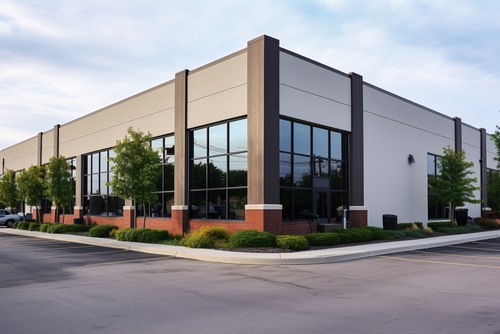
When it comes to commercial landscapes, simpler designs tend to perform better over time. Clean lines, defined bed edges, and intentional spacing reduce the need for trimming, reshaping, and corrective maintenance.
Intricate designs may look impressive at first, but they often demand frequent attention to keep them looking intentional. A simplified layout allows plants and materials to do their job without constant intervention.
This approach doesn’t mean your landscape has to be boring. Thoughtful repetition, balanced proportions, and strategic focal points can create visual interest while keeping maintenance demands low.
4. Consider Turf or Sod
Turf still has a place in commercial landscapes when used strategically. Open lawn areas can provide a clean, professional look and help define space around buildings or walkways.
The key is limiting turf to areas where it makes sense. Large expanses of grass require frequent mowing, watering, and edging, which can drive up maintenance costs. Using turf intentionally, rather than everywhere, keeps upkeep manageable while maintaining a polished appearance.
For some properties, sod installation can also provide faster, more consistent results than seeding. When properly installed and maintained, sod establishes quickly and creates a uniform look that’s easy to care for.
5. Use Mulch or Gravel for Beds
Mulch and gravel are essential tools in low-maintenance landscape design. Both help suppress weeds, retain soil moisture, and reduce erosion—three major contributors to ongoing maintenance work.
Organic mulch offers a natural appearance and improves soil health over time. Gravel or stone beds provide a clean, modern look and require very little upkeep once installed. These materials are especially effective in areas with limited foot traffic or around foundation plantings.
Using mulch or gravel consistently throughout planting beds also creates a cohesive look, while still reducing labor-intensive tasks like weeding and watering.

6. Incorporate Hardscape Features
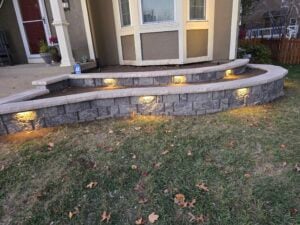
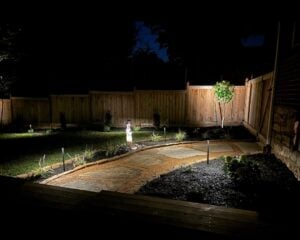
Hardscape elements such as walkways, retaining walls, seating areas, and decorative stone features add not only structure and function to a commercial landscape, but also visual appeal. They also reduce the amount of planted area that requires ongoing care.
Hardscaping helps define spaces, manage drainage, and guide foot traffic—all while providing long-term durability. Once installed, these features require minimal maintenance compared to plant-heavy areas.
Plus, they also reduce the amount of planted area that will require ongoing care.
From an aesthetic standpoint, hardscape features create a strong visual framework that allows plantings to be more intentional and manageable. For business owners, this means fewer problem areas and a landscape that holds its shape year after year.
Bringing It All Together
Low-maintenance commercial landscaping works best when it’s planned as a complete system. Plant choices, layout, materials, and long-term goals should all work together to support a landscape that looks professional without demanding constant attention.
The right design can significantly reduce maintenance needs while still enhancing curb appeal and functionality. For business owners, this approach offers peace of mind—knowing your property looks its best without pulling focus from running your business.
At Ascend lawn & landscape, we specialize in practical, long-lasting landscape solutions designed with business owners in mind. From smart plant selection to clean, efficient designs, our team provides expert landscaping advice for businesses that want great results without the extra work.
If you’re ready to explore low-maintenance landscape ideas for your commercial property, contact Ascend today to schedule a consultation and take the stress out of maintaining your exterior.