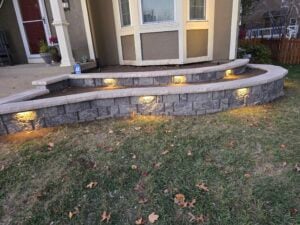
Your patio is an extension of your home—a place for relaxing, entertaining, or dining outdoors. Before you create your perfect outdoor space, you need to make one key choice: choosing the right patio materials. These materials should match your budget, lifestyle, and design ideas.
Let’s take a look at some of the best patio materials for your home. We’ll discuss popular options, along with the pros and cons of patio materials to help you make the right choice.
What to Consider When Choosing a Patio Material
When selecting the best patio materials for your outdoor space, start by evaluating your needs and surroundings.
Think about your local climate; some materials handle freeze-thaw cycles better than others. Consider your design style and how the patio will integrate with your home’s architecture. Maintenance is another key factor; some materials require sealing, while others are nearly hands-off. Also, look at your budget and whether you plan to hire a professional or tackle the installation yourself.
Most importantly, consider how you’ll use the space. Will it host large gatherings or serve as a quiet retreat? Answering these questions will point you toward the most suitable types of patio materials for your landscaping.
5 Types of Patio Materials to Consider
Each of the materials below offers its own style, performance, and price range. Here’s a breakdown to help you compare your options and choose the right fit for your home.
1. Concrete
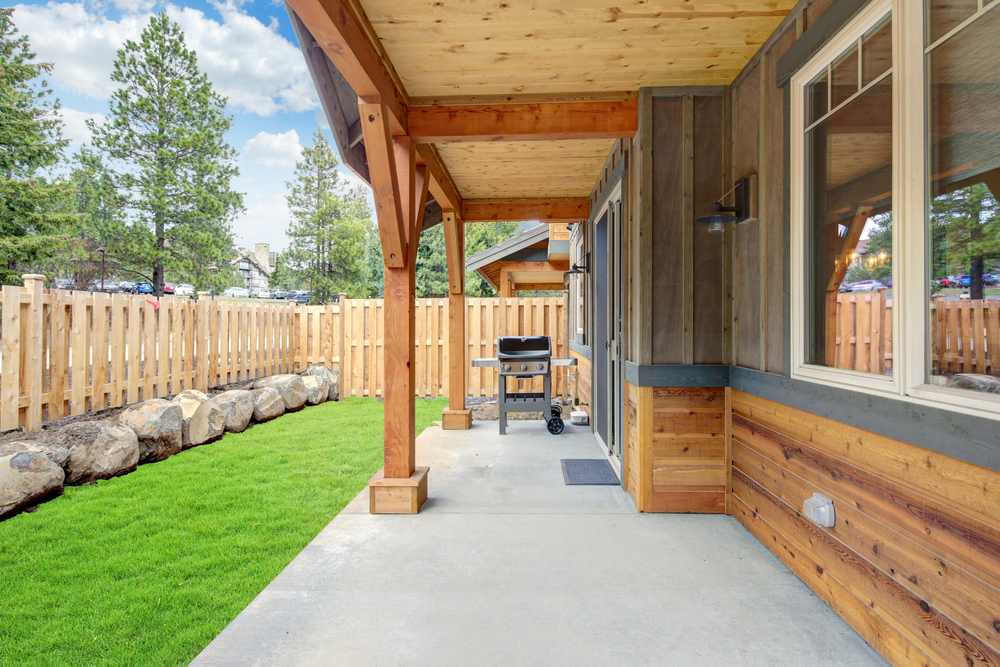
Concrete remains one of the most popular and cost-effective choices when choosing materials for a patio. Poured concrete is one of the most flexible patio materials, offering many options for design, texture, color, and layout.
Its greatest strength lies in its versatility. You can shape a concrete patio to fit small courtyards, large backyard areas, or even garden paths.
Customization goes beyond just form. Concrete can be stamped, brushed, scored, or acid-stained. These techniques can make it look similar to more expensive materials, like flagstone, brick, slate, or wood planks. These finishing techniques add visual depth and style at a fraction of the cost.
However, a drawback of concrete is drainage. A poorly graded concrete patio can trap water, leading to pooling and potential damage over time. In regions with freezing conditions, trapped water can freeze, expand, and cause cracking.
When poured and cured properly, concrete patios are exceptionally strong and easy to care for. However, any cracks that do appear are usually permanent unless repaired, and patch jobs may be visually noticeable.
Pros:
- Highly versatile in shape, color, and texture
- Can mimic more expensive materials at lower cost
- Long-lasting and strong under heavy use
- Works well in both modern and traditional designs
- Smooth surface is ideal for furniture placement
Cons:
- Cracking may occur due to weather or setting
- Improper grading can lead to drainage problems
- Can become hot under intense sun
- Repairs may be visible and less seamless than pavers
2. Brick
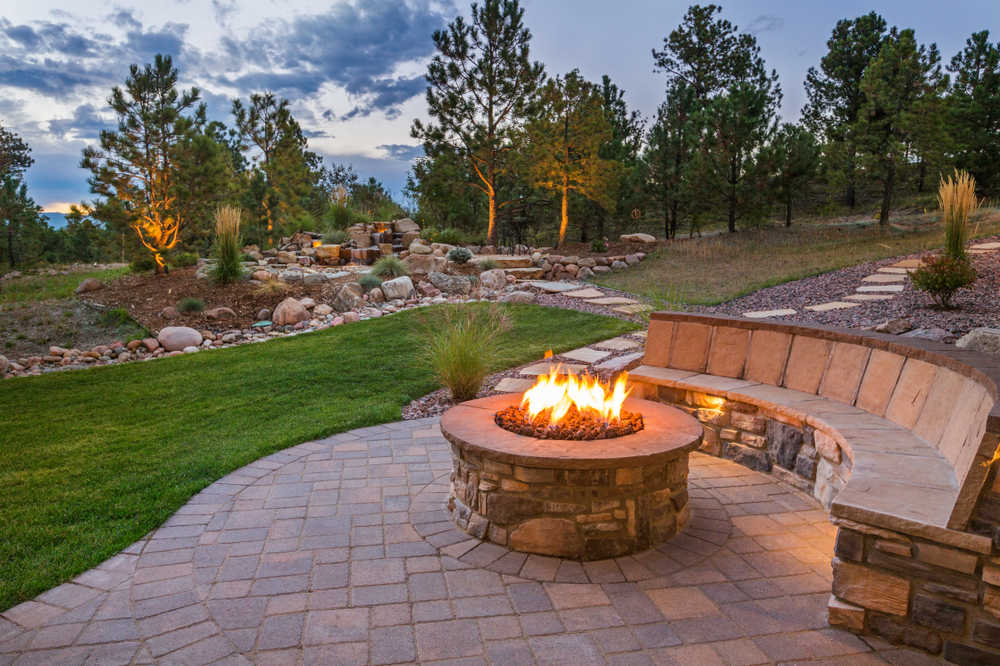
Brick is a classic and stylish choice for patio material. It is loved for its historic charm and lasting appeal. Brick patios look great with Colonial, Craftsman, Tudor, and other traditional-style homes.
Each brick features natural variations in tone and texture, which give a patio visual richness and character. Bricks can be laid in a variety of patterns, each adding a different stylistic flair to your outdoor space.
From a durability standpoint, fired clay bricks are built to last. They’re resistant to weather, fire, and insects, and they can maintain their integrity for decades with proper installation.
Cost-wise, brick tends to be more expensive than concrete. Installation also typically requires skilled labor, which can increase overall project costs.
Surface smoothness is another consideration. Bricks are not as uniformly flat as concrete or tile. The surface can become uneven over time as the ground shifts. The joints between bricks may create a small trip hazard or make some furniture a bit unstable.
Pros:
- Classic, timeless appeal with strong visual character
- Wide range of design patterns available
- Extremely durable and weather-resistant
- Permeable surface aids in drainage
- Ages beautifully over time
Cons:
- Higher material and installation costs than concrete
- Surface may become uneven with ground movement
- Joints require periodic maintenance to prevent weed growth
- Can crack in freeze-thaw climates if not sealed properly
- Slightly textured surface may be less ideal for certain furniture
3. Natural Stone
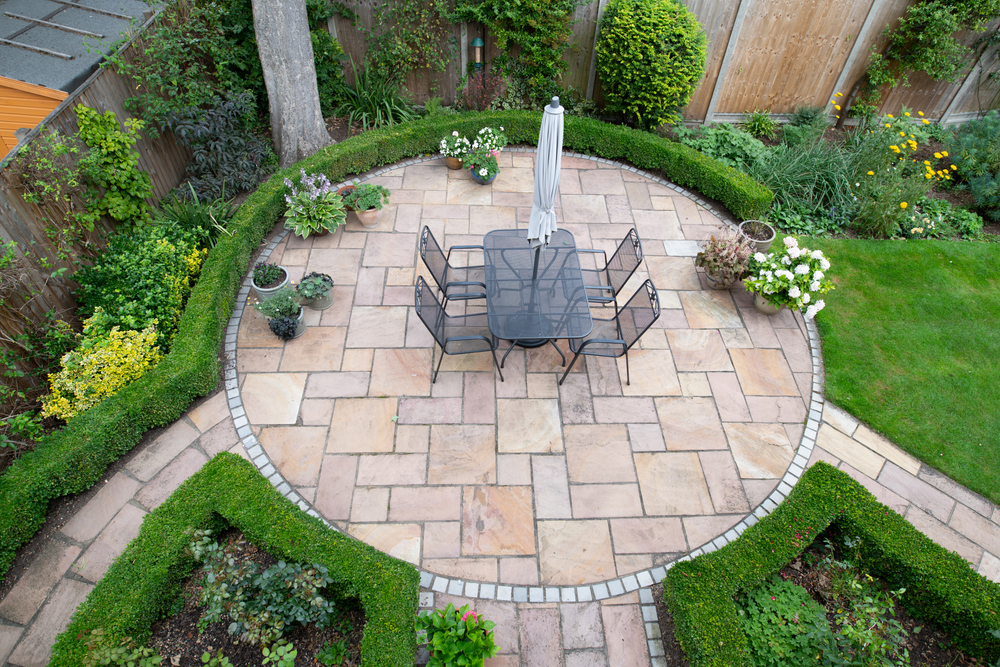
Natural stone is often considered the gold standard for premium types of patio materials. It offers great beauty and long-lasting quality.
One of the main attractions of natural stone is its natural texture and color differences. Unlike manufactured materials, no two stones are exactly alike.
Popular types of natural stone used in patios include:
- Flagstone: Known for its large, flat slabs and irregular shapes, flagstone has a rustic, earthy appeal.
- Slate: Slate offers a rich, layered appearance. It is durable and a visually striking option, but it can become slippery when wet.
- Limestone: Light in color and smoother in texture, limestone creates a clean, elegant look, but can be more prone to weathering in harsh climates.
- Bluestone: People like this stone for its deep blue-gray color and modern look. It’s strong, durable, and a popular choice in Northeastern U.S. landscapes.
- Granite: Extremely hard and durable, granite is ideal for high-traffic areas. It offers a polished, upscale look but tends to be one of the most expensive options.
While stunning, natural stone patios almost always require professional installation. This is because the stones are heavy, uneven, and need to be laid precisely to ensure level footing and proper drainage.
Weather considerations are especially important with natural stone. Most stones are very strong. However, some stones, like limestone and softer sandstone, can be more porous. This makes them more likely to crack or stain.
Pros:
- Unmatched natural beauty and uniqueness
- Extremely durable and long-lasting
- Increases property value and curb appeal
- Available in many colors, textures, and shapes
- Suitable for a wide range of styles
Cons:
- Higher cost for materials and installation
- Requires professional expertise to install properly
- Some stones may stain or weather in harsh climates
- Surface may be uneven depending on the stone type
- Needs sealing for moisture protection in certain climates

4. Pavers
Pavers are one of the most versatile and popular types of patio material, suitable for nearly any design style or budget. They come in several materials, including concrete, brick, and natural stone, each with its own look, performance, and price point. Pavers are typically small, interlocking units that can be laid in uniform or creative patterns.
Pavers are the most widely used patio material due to their affordability and variety of shapes, sizes, and colors. They can mimic the look of natural stone or brick while being easier to install and replace.
Depending on the material, they can also be extremely durable and last for decades. Pavers are installed over a base of compacted gravel and sand, which helps with drainage and flexibility. When installed correctly, they’re long-lasting and easy to maintain.
Pros:
- Wide variety of styles, materials, and patterns
- Individual units are easy to replace if damaged
- Excellent drainage with proper installation
- Slip-resistant textures available
Cons:
- Requires a properly prepared base to prevent shifting
- May need occasional weeding or sand refilling between joints
- Natural stone options can be pricey
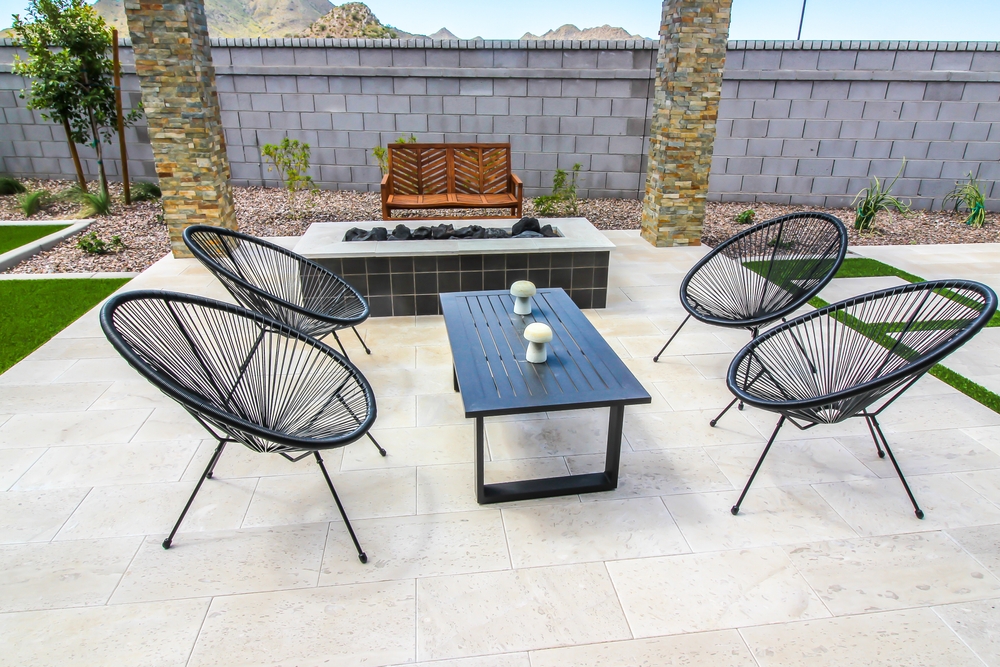
5. Tile
Tile is a sleek, sophisticated option for patios, especially in covered or partially sheltered outdoor spaces. Tiles come in several materials, and each is suited for different needs. When picking tile for outdoor use, it’s important to choose frost-proof and non-slip options made for outdoor settings.
Porcelain is a top choice for outdoor tile because it’s dense, non-porous, and resistant to moisture. It is also fade-resistant and durable in changing weather conditions. However, it tends to be more expensive.
Stone tiles—such as slate, travertine, and granite—provide a more natural, textured finish. Stone tiles are typically heavier and more expensive, but they deliver outstanding beauty.
Tile patios are installed over a concrete slab, using adhesives and grout rated for exterior use. Drainage and slope are crucial to avoid water pooling, which can cause damage over time.
Pros:
- Stylish, modern appearance with many design choices
- Materials like porcelain and stone are highly durable
Easy-to-clean surfaces - Slip-resistant textures available
Cons:
- Must be frost-proof and properly rated for outdoor use
- Installation over a concrete slab can be complex
- Slippery if untextured or wet
- Higher cost for natural stone or designer style
Selecting the right surface for your outdoor space is about much more than aesthetics. Whether you are looking for durability, a unique style, or easy maintenance, there is something for every need and budget.
Every option comes with its own benefits and limitations, so understanding the pros and cons of patio materials is key. This helps you find what works best for your unique outdoor setting.
Ultimately, choosing the best patio materials for your outdoor space involves balancing practicality, design goals, and environmental factors. With the right material, your patio can become a beautiful, functional part of your home, built to withstand the elements and elevate your outdoor lifestyle for years to come.
At Ascend lawn & landscape, we believe that your outdoor space is an extension of your home. With thoughtful planning, premium materials, and expert installation, your hardscape or patio project can elevate your outdoor space into a beautiful and functional area you’ll enjoy for years to come.
Our dedicated Overland Park-based team serves all of Johnson County, from classic Prairie Village homes to contemporary builds in southern Olathe. We take the time to understand your unique needs, working closely with you to design and build hardscape features that seamlessly complement your landscaping, property, and lifestyle.
Contact us today to schedule your design consultation and start your outdoor transformation.