Your outdoor space is more than just a yard—it’s an extension of your home, a personal retreat, and an opportunity to express your style. Thoughtful landscape design can transform any outdoor area into a beautiful, functional space that enhances your property and lifestyle.
Whether you’re starting from scratch or looking to revitalize an existing landscape, this comprehensive guide to landscape design will walk you through the essential principles and practices that are great for any home.
Why Is Proper Landscape Design Important?
A well-designed landscape does more than just improve curb appeal; it can deliver numerous benefits to homeowners that extend beyond aesthetics. These include:
- Enhanced Property Value: Professional landscape design can significantly increase your property’s value, contributing to a higher sale price than properties with minimal or poor landscaping. This makes landscape design one of the best investments you can make in your home.
- Environmental Benefits: Strategic landscaping can help manage water runoff and reduce soil erosion. Properly placed trees and shrubs can decrease energy costs by providing shade in the summer and windbreaks in the winter.
- Improved Relaxation and Entertainment: A thoughtfully designed outdoor space creates opportunities to relax and entertain. Whether it’s a peaceful garden retreat or a vibrant entertainment area, your landscaping can directly impact how you experience your property.
- Functionality and Usability: Professional landscape design addresses practical concerns such as drainage issues, privacy needs, and creating usable outdoor living spaces. The right design can easily accommodate these activities and solve any existing problems.
5 Basic Elements of Landscape Design
Understanding the fundamentals of landscape design is beneficial, as this will help you communicate your vision and needs more effectively. It can also guide you in making informed decisions about your landscaping projects. Important components to consider in every design include the following:
1. Lines
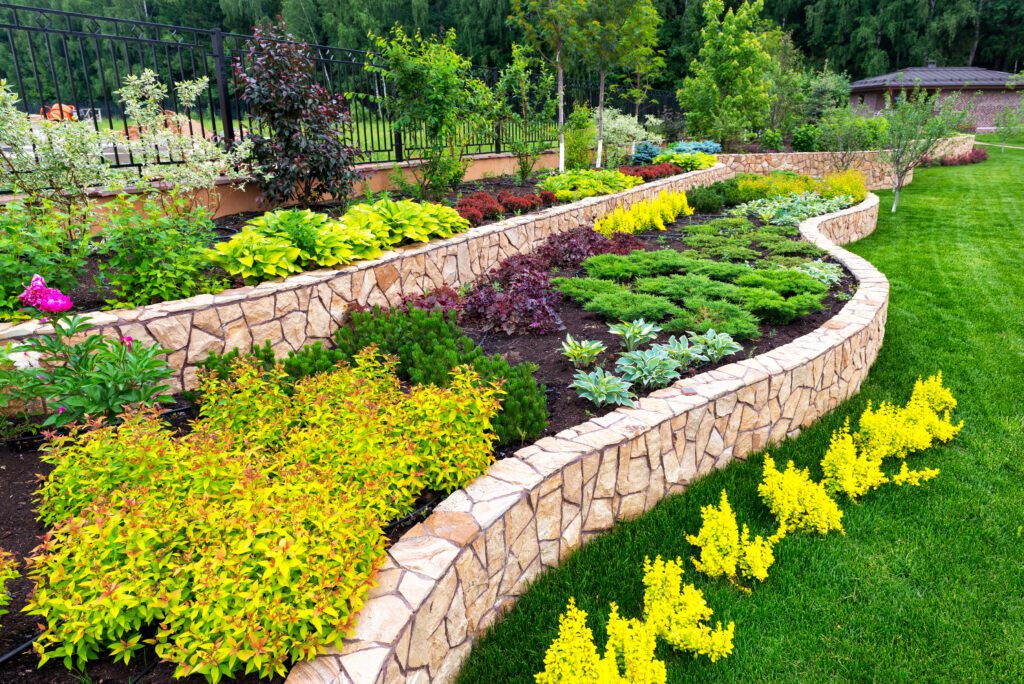
Lines create structure in your landscape, guiding the eye and movement throughout the space. Straight lines create a formal feel, while curved lines suggest a more natural, relaxed environment. The lines of walkways, plant beds, and borders all work together to establish the framework for your home’s landscape design.
2. Form
Form refers to the various shapes and structures in your landscaping, such as the spreading canopy of a shade tree or the upright character of ornamental grass. When designing your landscaping, you should consider how different forms work together to create visual interest and harmony throughout the seasons.
3. Texture
Texture adds depth and dimension to your landscape. Contrasting coarse textures (such as large-leaved plants) with fine textures (such as ornamental grasses) creates visual interest. The right landscaping expert can combine textures to create dynamic, engaging spaces.
4. Color
Color evokes emotion and can define the mood of your outdoor space. A carefully planned color palette considers flowers, foliage, hardscaping materials, and architectural elements. When considering color options, it’s important to consider seasonal changes to ensure your landscape remains visually appealing year-round.
5. Scale and Proportion
Scale ensures that all elements relate appropriately to one another. For example, a massive boulder might overwhelm a small garden but serve as a perfect anchor in a larger landscape.
Common Landscaping Styles and Design Options
Your landscaping should reflect your personal taste while complementing your home’s architecture. Here are some popular landscape design styles to consider:
- Traditional/Formal: Characterized by symmetrical designs, geometric patterns, and manicured plantings, formal landscapes create a sense of order and elegance. These designs often feature clipped hedges, aligned pathways, and classic ornamental elements like fountains or statuary.
- Natural/Woodland: This style mimics natural ecosystems with layered plantings, organic shapes, and native species. Natural landscapes require less maintenance and provide excellent wildlife habitats.
- Contemporary/Modern: Clean lines, architectural elements, and a limited plant palette define modern landscape design. These spaces often feature bold geometric patterns, minimalist plantings, and innovative materials.
- Cottage/English Garden: Cottage gardens feature abundant flowers, informal plantings, and charming accents. These designs balance seemingly casual planting schemes with thoughtful planning to create romantic and established spaces.
- Mediterranean/Tuscan: Inspired by the landscapes of southern Europe, these designs feature drought-tolerant plants, terracotta elements, and warm colors. Olive trees, lavender, and herbs are common plant choices, often combined with gravel, stone, and tile hardscaping.
- Japanese/Zen: Focusing on simplicity, restraint, and harmony with nature, Japanese-inspired landscapes create peaceful, contemplative spaces. Key elements include carefully placed rocks, water features, evergreen plants, and gravel or sand gardens.
Common Landscape Design Challenges
Even the most beautiful properties often present challenges that require creative solutions. Here are some common challenges you must address when designing your landscaping.
- Sloped Terrain: Slopes can create drainage problems and make portions of your yard difficult to use. Solutions include terracing, hardscapes, retaining walls, or strategic plantings that prevent erosion while creating usable space and visual interest.
- Limited Space: Small yards require thoughtful planning to maximize functionality without feeling cramped. Techniques like vertical gardening, multi-purpose features, and strategic plant selection can make compact spaces feel larger and more versatile.
- Privacy Concerns: Creating privacy without building fortress-like barriers is a common landscaping concern. Designing layered plantings, decorative screens, and other strategic structures can provide seclusion while enhancing your outdoor experience.
- Drainage Issues: Poor drainage can damage foundations, create mosquito breeding grounds, and kill plants. Grading, rain gardens, permeable pavings, and drainage systems can all address water management and be tailored to your property’s specific needs.
- Climate Extremes: Whether dealing with intense summer heat, harsh winters, or drought conditions, choosing appropriate plants and materials for your specific climate is essential for a sustainable landscape.
- Maintenance Limitations: Being realistic about maintenance is crucial for long-term landscape success. Design options can be tailored to your maintenance preferences, whether you enjoy gardening or prefer a low-maintenance approach.
Landscape Design Mistakes to Avoid
Even with the best intentions, certain landscape design mistakes can undermine your outdoor space’s beauty and functionality. These mistakes can include:
- Choosing plants without considering their mature size, growth habits, and site requirements, leading to overcrowded beds, constant pruning, and poor plant health.
- Opting for a scattered, incoherent design that results in a disjointed appearance.
- Failing to design a garden with year-round appeal.
- Placing plant beds that impede traffic flow and interfere with your lifestyle needs.
- Being unrealistic about maintenance requirements.
- Failing to consider how plants will mature or how your needs might change over time, leading to costly revisions later.
Bringing Your Landscape Design to Life
At Ascend Lawn and Landscape, we understand your outdoor space has unique potential and challenges. Our design process begins with a thorough site analysis and consultation to understand your goals, preferences, and lifestyle. From there, we develop customized solutions that transform your property into a beautiful, functional extension of your home.
Whether you’re looking for a complete landscape redesign or targeted improvements to specific areas, our experienced team provides the expertise, creativity, and attention to detail needed for exceptional results. We pride ourselves on clear communication throughout the process, ensuring your vision is realized down to the smallest detail.
Let Ascend help you discover what’s possible with professional landscape design that elevates your property and enhances your quality of life for years to come. Contact us today for a consultation with our design team.