
If you live in the Midwest, you already know lawn growth can be unpredictable this time of year. One week your yard barely needs attention, and the next it feels like the grass grew six inches overnight after a few days of rain.
That’s why so many homeowners ask the same question every spring and summer: how often should you mow your lawn?
The answer depends on several factors, including the season, recent weather, and the type of grass growing in your yard. Mowing too often can stress your lawn, but waiting too long between cuts can leave your grass patchy, uneven, and unhealthy.
The good news is that a few simple lawn mowing tips can help keep your yard healthy and looking its best throughout the Midwest growing season. Here’s what homeowners in Kansas, Missouri, and beyond should know about when you should mow your lawn and how often to mow a lawn for long-term lawn health.
Why Is It Important to Regularly Mow Your Lawn?
Most homeowners think mowing is mainly about curb appeal, but a consistent mowing service actually has a major impact on the overall health of your lawn.
A regular mowing schedule helps:
- Encourage thicker, fuller grass
- Promote stronger root systems
- Improve drought resistance
- Reduce weed growth
- Improve nutrient and water absorption
- Keep your lawn looking neat and healthy
When grass gets too tall between cuts, mowing can become stressful for the lawn. Cutting large amounts of grass at once often leaves turf looking uneven, patchy, or brown afterward.
The Risks of Cutting Your Grass Too Short
It can be tempting to cut your lawn extra short in hopes of mowing less often, but that usually does more harm than good.
Grass that’s cut too short becomes stressed much more easily during hot summer weather. Short grass also exposes more soil to direct sunlight, which causes moisture to evaporate faster.
Over time, mowing too low can lead to:
- Brown or patchy areas
- Increased weed growth
- Shallow roots
- Drought stress
- Thin, unhealthy turf
Keeping your grass slightly taller during the summer months actually helps protect your lawn from the intense heat and dry conditions common throughout the Midwest.
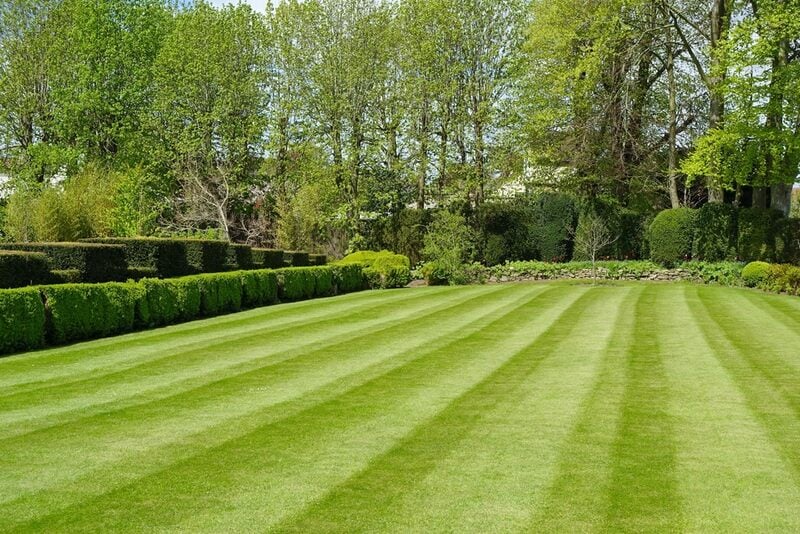
Lawn Mowing Guidelines by Season
One of the biggest factors in determining how often you should cut your grass is the time of year. Grass growth changes significantly throughout the seasons in the Midwest, which means your mowing schedule should change too.
One of the most important lawn mowing tips (regardless of the season) is following the “one-third rule,” meaning you should never remove more than one-third of the grass blade during a single mowing session. For example, if your lawn is three inches tall, you shouldn’t cut off more than one inch at a time.
Spring Lawn Mowing
Spring is usually the busiest mowing season for homeowners in Kansas and Missouri.
Cool-season grasses grow aggressively during spring thanks to moderate temperatures and frequent rainfall. During peak growth periods, many lawns may need mowing every five to seven days.
If you wait too long between cuts, your mower may struggle to keep up with thick grass, especially after several rainy days.
Spring is also when many homeowners first notice uneven growth, thin spots, or drainage issues as the lawn begins to recover from winter.
A few helpful tips for spring lawn care and mowing include:
- Avoid mowing wet grass whenever possible
- Sharpen mower blades before the season starts
- Start mowing once your lawn begins actively growing again
- Stick to a consistent mowing schedule during heavy growth periods
Wet grass can clump together underneath your mower, create uneven cuts, and increase the risk of lawn disease.
Summer Lawn Mowing
As temperatures climb in June, July, and August, grass growth usually begins to slow down. Summer lawn care in the Midwest is less about appearance and more about protecting your lawn from heat stress.
During hot or dry stretches, most homeowners can reduce mowing frequency to about every seven to ten days depending on rainfall and your summer watering strategy.
One of the best lawn mowing tips for summer is raising your mower height slightly. Taller grass helps:
- Shade the soil
- Hold moisture longer
- Protect roots from heat
- Reduce weed growth
It’s also best to mow during cooler parts of the day, such as the morning or early evening.
If your lawn is struggling during drought conditions, it’s better to avoid mowing until the grass recovers. Cutting stressed grass can make damage even worse.
Fall Lawn Mowing
Once temperatures cool down in the fall, many lawns throughout Kansas and Missouri begin actively growing again before it’s time to protect your landscape from winter weather. That means your mowing schedule may need to increase slightly compared to the middle of summer.
Many homeowners stop thinking about lawn care too early in the fall, but regular mowing remains important as your lawn prepares for winter dormancy.
Staying on top of leaves is another important fall lawn maintenance task. Allowing leaves to sit too long can trap moisture and smother healthy grass underneath.
Your final mow of the season should usually be slightly shorter than your normal mowing height, but you still want to avoid cutting the grass too short before winter arrives.
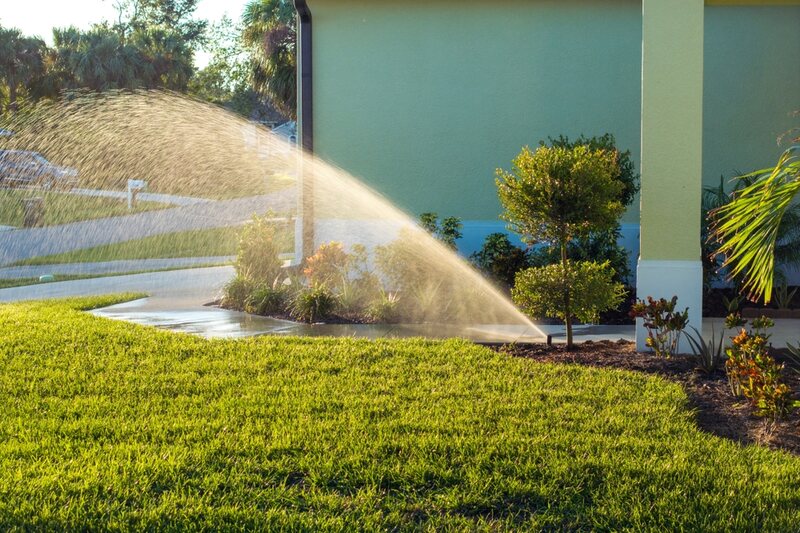
Mowing Your Lawn by Grass Type
Another major factor in how often you should mow your lawn is the type of grass growing in your yard. Different grasses grow at different speeds and perform best at different mowing heights.
Cool-Season Grasses
Many lawns throughout Kansas, Missouri, and the greater Midwest contain cool-season grasses like:
- Kentucky bluegrass
- Tall fescue
- Perennial ryegrass
These grasses grow most aggressively during the cooler temperatures of spring and fall.
Tall fescue is especially common throughout the Midwest because it handles changing weather conditions fairly well and offers good drought tolerance.
Cool-season grasses usually perform best when maintained between about 2.5 to four inches tall depending on the specific grass type and current weather conditions.
Warm-Season Grasses
Some lawns in Kansas and southern portions of the Midwest may contain warm-season grasses such as:
- Zoysia
- Bermudagrass
These grasses thrive during hot summer weather and often tolerate shorter mowing heights than cool-season varieties.
Warm-season grasses usually grow more slowly during spring and fall, meaning mowing needs may decrease outside of peak summer heat.
Knowing your grass type can make a big difference when deciding how often to mow a lawn and what mowing height works best for your property.
Finding the Right Lawn Mowing Schedule
So, how often should you mow your lawn?
For most homeowners in Kansas and Missouri, the answer changes throughout the year. During the fast-growing spring season, you may need to mow every few days. During hot summer weather, once a week may be enough.
The key is paying attention to your lawn instead of sticking to a rigid schedule. Grass growth, rainfall, heat, and grass type all play a role in determining when you should mow your lawn.
Following proper lawn mowing tips—including mowing consistently, avoiding scalping, and adjusting your mowing height with the seasons—can help keep your lawn greener, healthier, and better equipped to handle Midwest weather conditions.
If you need help maintaining a healthy, attractive lawn throughout the year, Ascend lawn & landscape provides professional lawn care and landscaping services tailored to Kansas and Missouri properties. From routine lawn maintenance to complete outdoor upgrades, their team can help keep your property looking its best season after season.
If you’re ready for a healthier, better-looking lawn this season, contact Ascend today to schedule professional lawn care and landscaping services tailored to your home.