
Winter may feel like the “off-season” for landscaping, but for commercial properties, it’s actually one of the most important times to stay proactive. Cold temperatures, freezing moisture, heavy snow, and dormant plant growth can quietly cause damage that shows up in expensive ways come spring.
Implementing the right commercial landscaping maintenance tips during winter helps protect your investment, reduce safety risks, and ensure your business looks clean and professional year-round.
Below, we’ll walk through the most effective commercial landscape winter preparation tips to help your property survive—and thrive—through the colder months
1. Protect Your Trees and Shrubs
Trees and shrubs are some of the most valuable assets on a commercial property, but winter weather can take a serious toll if they’re left unprotected.
Cold temperatures, heavy snow, ice buildup, and strong winds can cause branches to crack, split, or break entirely. Young or newly planted trees are especially vulnerable.
Winter protection strategies include:
- Pruning weak or damaged branches before snowfall
- Wrapping young trees to prevent frost cracking
- Applying mulch around the base to insulate roots
- Removing heavy snow buildup from shrubs to prevent breakage
Proper winter care helps preserve plant structure, supports healthy spring growth, and reduces the risk of fallen branches becoming safety hazards. When planning winter landscaping improvements for your business, tree and shrub protection should be high on the list!
2. Focus on Tree Removal
Winter is one of the best times to address any hazardous or dying trees on commercial properties.
With the leaves gone, arborists can more easily assess tree structure and identify:
- Dead or unstable branches
- Trees with internal decay
- Leaning or storm-damaged trunks
The frozen ground also allows heavy equipment to access areas without damaging your turf or the surrounding landscaping. Proactively removing risky trees during winter also helps minimize the chance of property damage, blocked access points, or other liability issues during snow and ice storms.
Tree removal is a key part of preparing commercial landscaping for winter, especially for properties with high foot traffic or nearby buildings
3. Target Insects and Diseases
While many pests go dormant during the winter, they don’t disappear completely. In fact, winter is an ideal time to manage insects and diseases invading your landscape before they become a much bigger headache come springtime.
Cold-season treatments can help:
- Reduce overwintering insect populations
- Limit fungal diseases that thrive in damp conditions
- Prevent early infestations once temperatures rise
Many kinds of targeted treatments are commonly used during the winter months to help protect trees and shrubs from insect infestations, without harming the beneficial insects.
Addressing pests early is one of the smartest commercial landscape winter preparation tips, helping to prevent more significant damage down the road and the costly treatments that can come with it.
4. Consider Growing Perennials
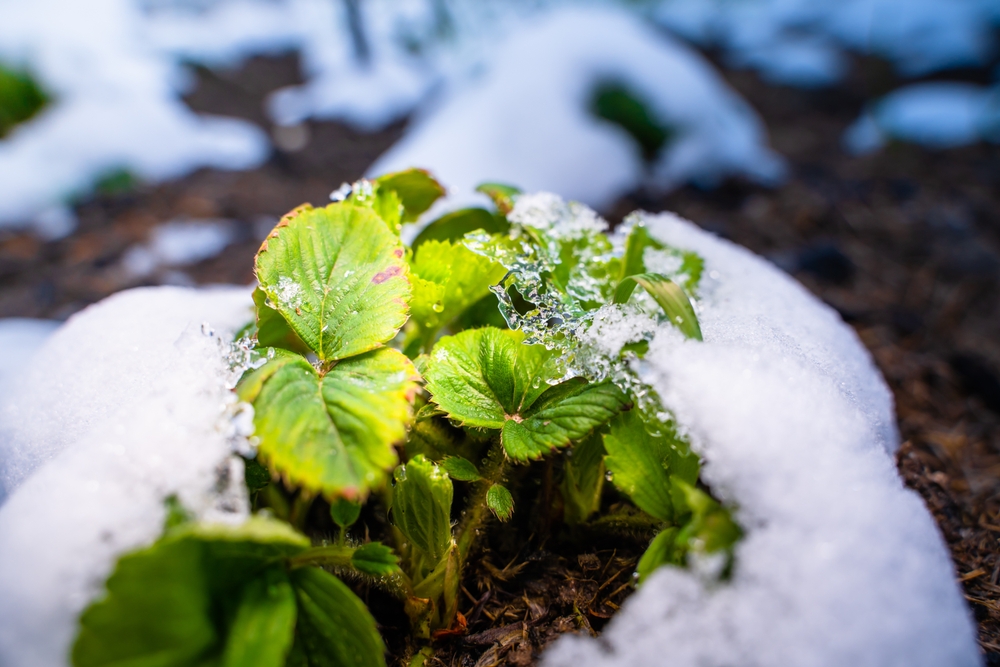
Wintertime is also the perfect time to think ahead. Perennials may not be actively growing, but winter is ideal for evaluating which of your plants performed well this year—and which ones didn’t.
Adding or redesigning perennial beds during the winter months allows you to:
- Improve curb appeal for spring and summer
- Choose hardy plants suited to local climate conditions
- Reduce maintenance costs with low-maintenance plants
Perennials provide long-term value and seasonal interest, making them a smart choice for commercial landscaping improvements in winter. Planning now ensures smoother installation once planting season begins.
5. Winterize Your Irrigation System
One of the most important winter tasks for commercial properties is to winterize the irrigation system. Water expands as it freezes, so any water left in your irrigation lines during freezing temperatures can crack or burst pipes and damage sprinkler heads.
Properly winterizing your business’s irrigation system includes:
- Shutting off the water supply
- Draining all remaining water from lines
- Blowing out the system with compressed air
- Insulating any exposed components
Skipping this task can lead to water damage, expensive repairs, and even delays when it’s time to turn the system back on in the spring. Winterizing your irrigation system should be a top priority on your commercial landscaping maintenance to-do list
6. Aerate Your Grass
Aeration may not be the first thing that comes to mind when you think of winter landscape prep, but late fall and early winter aeration can be extremely beneficial for all lawns—not just commercial ones.
Aeration helps:
- Reduce any soil compaction from heavy foot traffic
- Improve water and nutrient absorption
- Strengthen root systems before new growth in the spring
For properties with high traffic areas, such as office buildings, retail centers, or apartment complexes, aeration supports healthier turf and reduces bare or compacted patches.
Including aeration in your commercial landscape winter preparation sets your lawn up for success (and new growth) when warmer weather returns.
7. Remove Outdoor Furniture & Other Feature
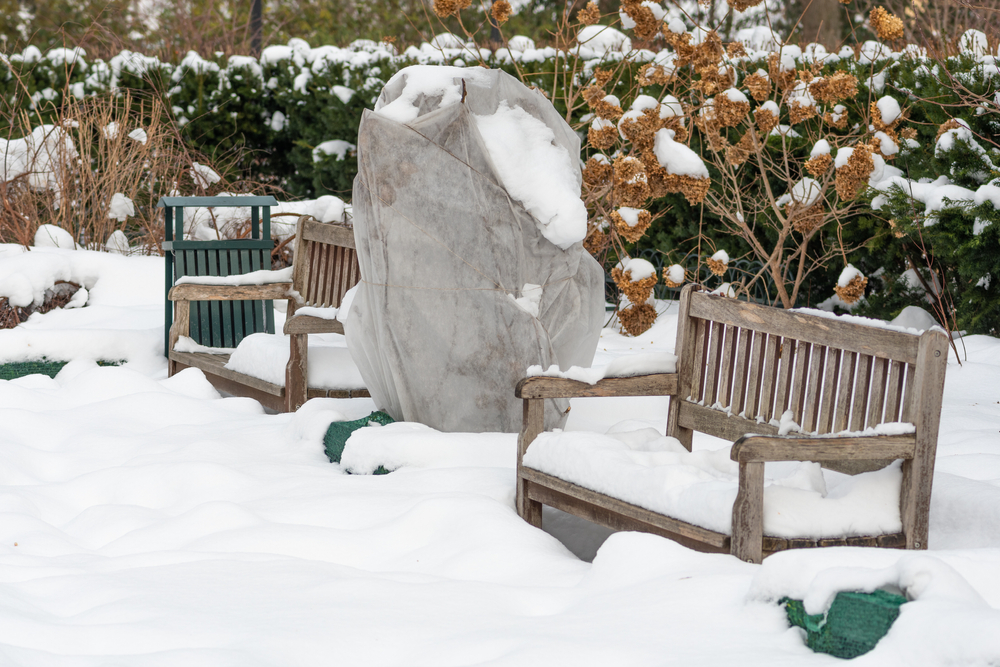
Outdoor furniture, planters, decorative features, and seasonal items can suffer significant damage if left exposed all winter. Plus, they can block sunlight, compact soil, and add extra stress to your already weakened winter landscaping.
Snow, ice, and moisture can cause:
- Rust and corrosion
- Cracked materials
- Mold or mildew buildup
Before winter fully sets in, remove or properly store any:
- Benches and seating
- Trash bins or receptacles
- Decorative planters
- Temporary signage or displays
This not only protects your landscape (and your investment) but also keeps walkways clear and safe. Clearing these items is a simple yet effective part of preparing commercial landscaping for winter.
8. Drain Water That May Freeze
Standing water is one of the most overlooked winter landscaping issues—and one of the most damaging.
Water that freezes in low areas, drains, or hardscape features can:
- Create slip hazards
- Damage pavement or concrete
- Lead to erosion and drainage problems
Winter preparation should include inspecting the property for areas where water collects and working to ensure proper drainage. This could mean clearing debris from drains, adjusting grading, or addressing problem areas before freezing temperatures arrive.
Managing drainage is also an important safety component of commercial landscaping maintenance, especially for properties with frequent pedestrian traffic. The last thing you want as a business owner is someone getting hurt, especially when it could have been prevented.
Winter may slow plant growth, but it’s one of the most important seasons for planning, protecting, and maintaining your commercial landscape. By following these commercial landscape winter preparation tips, you can not only protect your property but also set up your landscape for springtime success.
At Ascend lawn & landscape, we specialize in proactive, professional commercial landscaping solutions designed to protect your property in every season. From snow removal and drainage solutions to long-term planning and maintenance, our team is here to help your landscape perform at its best—even in winter.
Contact Ascend today to schedule your winter commercial landscaping maintenance and keep your property protected, safe, and ready for what’s next.