
When winter rolls in with its frosty mornings and surprise snowfalls, your yard can take quite a hit. Between heavy snow, harsh ice, and freezing winds, even the healthiest lawns and plants can suffer some serious cold-weather damage.
The good news? With the right winter landscaping tips, you can protect your yard and set yourself up for a lush, thriving landscape come spring.
Let’s dig into how to prepare your lawn for winter, how to protect your landscaping during those freezing months, and what to do if Jack Frost gets a little too enthusiastic.
How to Prepare Your Lawn for Winter
Those Kansas winters hit hard, so before the first frost settles, take some time to prepare your yard. A little work now can save you from heartbreak later (and expensive plant replacements).
Start by giving your lawn a final mow. Lower your mower blade slightly for the last cut of the season (around 2 to 2.5 inches tall). This helps prevent matting under snow while still providing enough length to protect the grass crown.
Next, rake up leaves, sticks, and other debris that could smother your lawn or attract pests during the winter. If your grass is covered with leaves, it won’t get enough air circulation, which can lead to mold or disease.
Finally, fertilize your lawn with a winterizing formula. This gives your grass a boost of nutrients to survive dormancy and rebound quickly when spring arrives.
If you have irrigation systems, remember to drain them before the first hard freeze to prevent any cracked pipes or sprinkler damage. Trust us, frozen irrigation repairs are no fun.
Tips for Protecting Your Landscaping During the Winter
Once your lawn is ready, it’s time to think about your plants, shrubs, and trees. Winter can be brutal, but these simple steps can help protect your landscaping in the winter and keep everything in top shape.
1. Wrap Plants and Smaller Trees
If you’ve ever noticed burlap-wrapped trees or shrubs in your neighborhood, that’s not a landscaping fashion statement—it’s smart winter prep.
Young trees and sensitive shrubs can be damaged by freezing winds and fluctuating temperatures. Wrapping them in breathable materials, like burlap, frost cloth, or even old sheets, creates a barrier that helps trap warmth and reduce windburn.
You can also use tree guards around the base of trunks to protect against frost cracks and hungry critters, like rabbits and deer that love to nibble bark when food is scarce.
2. Fill Soil Cracks with Mulch
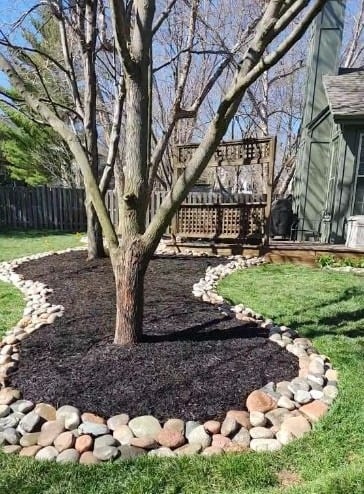
Mulch isn’t just for summer—it’s your winter MVP. A thick layer (about 2 to 3 inches) of mulch around the base of plants helps insulate roots, retain moisture, and regulate soil temperature.
Before mulching, check for and fill in any soil cracks around your garden beds. These gaps can allow cold air to reach roots and cause frost heaving (soil expands and contracts, pushing plants out of the ground).
Natural mulches, like shredded leaves, straw, or bark chips, work best; they slowly break down and enrich your soil for spring.
3. Water Before the Ground Freezes
Here’s a little-known winter landscaping tip: hydrate before hibernation.
Many homeowners stop watering too early in the season. But keeping your soil moist (not soaked) before the ground freezes helps your plants better withstand the cold, Midwestern weather. Dry soil loses heat more quickly, while moist soil retains warmth and protects roots from freezing.
Give your trees, shrubs, and perennials a good, deep watering in late fall, especially if you’ve had a dry autumn. Just make sure to water early in the day so the moisture can soak in before nighttime temperatures drop.
4. Prune Trees and Shrubs
Pruning is one of the best ways to protect landscaping in the winter. Trim away dead, diseased, or damaged branches before ice and snow can weigh them down and cause breakage.
For larger trees near your home, a pre-winter pruning can prevent falling limbs from damaging your roof or vehicles.
However, avoid heavy pruning too late in the season. Fresh cuts can stimulate new growth that won’t have time to harden before the cold hits.
5. Keep Your Lawn Free from Debris
When snow starts piling up, anything left on your lawn, like toys, furniture, or fallen branches, can cause damage. Items pressed against the grass trap moisture, block airflow, and lead to dead spots come spring.
Before winter sets in, clear your yard completely. Store outdoor furniture, garden tools, and decorations in a shed or garage for easy access and protection. You’ll thank yourself later when your grass emerges fresh and even, rather than patchy and suffocated.
6. Plan for Snow Removal
To make snow removal easier, clear your yard and walkways before the first flakes land. Pick up loose branches, stash outdoor furniture and tools, and clear walkways so snow removal is smooth instead of chaotic. A little tidying now means safer paths, faster shoveling, and a yard that bounces back beautifully in spring.
Be careful with de-icing products, too. Salt-based ice melt can burn grass and plant roots. Opt for plant-safe alternatives, like calcium magnesium acetate or sand for traction.

7. Plan Your Landscape with Climate in Mind
The best protection sometimes starts at the design stage. When planning or updating your landscaping, choose plants that can handle the local climate.
Native and cold-hardy plants are naturally better equipped to withstand winter’s challenges. They’ll be more resilient to frost, require less special treatment, and bounce back beautifully in the spring.
If your area is prone to heavy snow or ice storms, plant larger trees where they have room to grow without threatening structures or power lines. And consider evergreen shrubs—they’ll keep your yard looking alive and full even in the dead of winter.
What Do I Do If My Landscaping is Damaged During the Winter?
Even with the best preparation, sometimes winter wins. If your plants or lawn suffer damage, don’t panic—it’s often not as bad as it looks.
Start by assessing the situation once the snow melts. Some plants just need time to recover. Look for green growth or flexible stems before deciding something is truly dead.
If branches have broken or split, prune them cleanly to prevent disease. For frost-damaged shrubs or perennials, wait until new growth appears in spring before trimming back the affected parts.
Patch any bare spots in your lawn with grass seed once the weather warms up, and replenish mulch that’s been washed away.
And if you’re unsure what’s salvageable, or need help getting your landscaping back on track, Ascend lawn & landscape is always ready to lend a hand. From winter prep to spring recovery, our team can help you protect, restore, and reimagine your outdoor spaces year-round.