
When the air turns crisp, pumpkin spice takes over the shelves, and sweaters make their big return, your lawn might not be top of mind. But here’s the deal: fall is the make-or-break season for your yard. Think of it like setting the stage for a blockbuster spring—you put in the work now, and come April, your grass will be lush, vibrant, and ready to impress.
At Ascend Lawn & Landscape, we see it every year: the lawns that thrive in spring are the ones that get the right care in fall. That’s why we’ve pulled together this ultimate guide to fall lawn maintenance—packed with practical steps, professional insights, and just the right amount of spunk to make lawn care feel a little less like a chore.
Why Is Proper Lawn Maintenance Important in the Fall?
A lot of homeowners think lawn care starts in spring, but the truth is, fall is the real MVP. Here’s why we always prioritize autumn prep.
Grass actually loves fall. The cooler temperatures and increased rainfall make fall a prime growing season. Since it’s not fighting the scorching Kansas heat anymore, your grass can focus on growing strong roots.
But unfortunately, the same goes for weeds. Fall is also when weeds gear up for the next year, so if you don’t deal with them now, they’ll spend the chilly months taking control of your landscape; all while the Midwestern winter weather wreaks havoc on your already weakened lawn.
Bottom line: fall lawn care is less about looks and more about long-term health. A little effort now will save you a lot of headaches later.
6 Lawn Care Maintenance Tips for Fall
Ready to roll up your sleeves? This autumn lawn care guide walks you through the key steps every homeowner should take to keep their yard looking great through the colder months.
1. Clear All Fallen Leaves
Those golden leaves might look Instagram-worthy, but on your lawn, they’re troublemakers.
Once those fallen leaves pile up, they suffocate your grass, block the sunlight, and can even trap moisture. Not only that, but damp leaves create the perfect breeding ground for mold and fungus. Not quite the greenery you’re looking for, huh?
So, to avoid withered or waterlogged grass, rake regularly to give your lawn some breathing room. If you’re thinking, “Gee, that sounds like a lot of work,” you can always hire a pro!
2. Mow to the Right Height
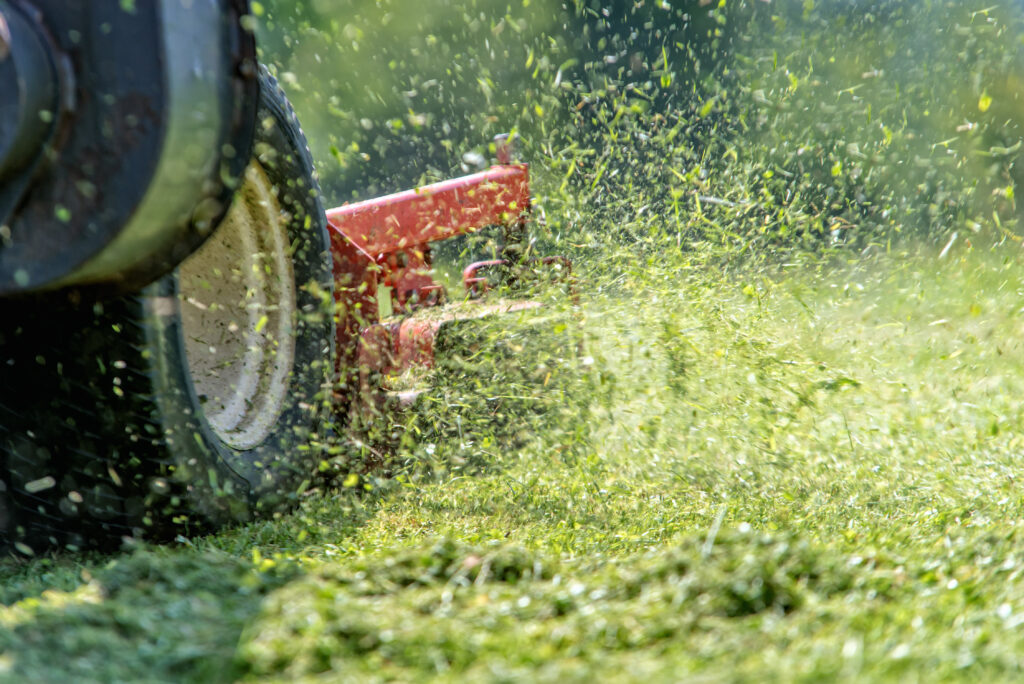
A good mow is like a good haircut… get it wrong, and it shows.
Too long, and you risk matting, snow mold (yes, it’s a real thing), and pest problems. Too short, and your grass gets stressed and can’t defend itself against the chill.
For Johnson County’s cool-season grasses like Kentucky bluegrass, the mowing height sweet spot is around 2.5 to 3 inches. If you have warm-season grass like zoysiagrass, then it needs to be even shorter, around 1.5 to 2 inches in the fall.
Keeping your grass at the right height can help prevent fungal issues and help it withstand those harsh winter conditions.
3. Aerate Your Lawn
If your lawn saw any foot traffic this summer, chances are your lawn is compacted. Especially if you live in Kansas, where the soil has a lot of clay (which means it’s already prone to compaction and drainage problems). Compacted soil is a death sentence for your grass because it keeps water, nutrients, and airflow from getting to the roots.
Aeration helps loosen things up by pulling up plugs of compacted soil, leaving behind small holes in the surface. These little holes let water, oxygen, and other nutrients get down to the roots, not to mention creating the perfect spot for new grass seed to sprout!
4. Adjust Your Watering Schedule
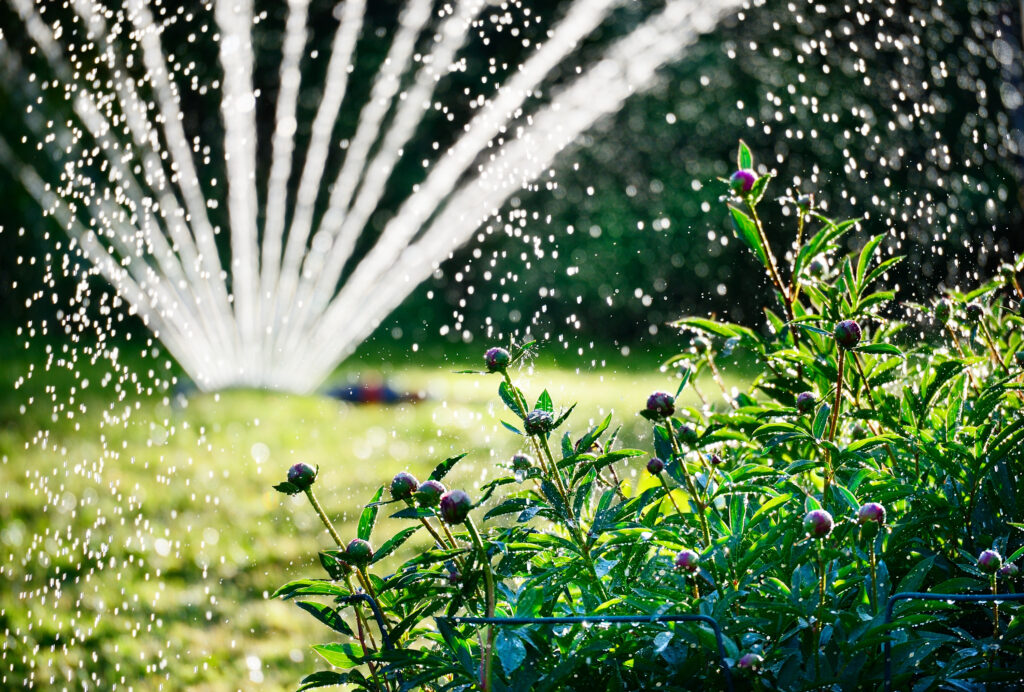
Cooler weather doesn’t mean your lawn is done drinking.
A good rule of thumb is to aim for about 1 inch of water per week, either from watering or rainfall. Watering deeper and less often encourages strong roots, rather than shallow, weak ones.
As the temperature drops, slowly taper off your watering schedule—but don’t cut off watering completely until the ground freezes.
5. Eliminate Weeds
Nobody likes freeloaders, and weeds definitely fall into that category. Not only are they ugly, but they crowd your plants or grass and steal their precious nutrients, water, and airflow. Dandelions, clover, and chickweed are big troublemakers this time of year, especially in the Midwest.
Luckily, fall is the prime time to attack those weeds. As the season shifts, weeds will store energy in their roots to last all winter. That means that herbicide (or a little elbow grease) works better now than in the spring.
Not into chemicals? Hand-pulling works wonders after rain, when the soil is soft. Just make sure to get the root, otherwise those weeds will be back with a vengeance.
6. Fertilize and Overseed
Think of this as the lawn’s fall flu-shot, or multivitamin. Fertilizer provides the nutrients your grass needs to strengthen before winter, and overseeding (spreading grass seed over your existing grass) fills in any thin or bare spots.
For fertilizers, choose a slow-release, nitrogen-rich blend to keep your grass green and your roots strong. Our advice is to aerate first, then overseed, and finally stick to your watering schedule.
At Ascend, we actually bundle our aeration and overseeding services for fall prep. That way, you get all the benefits without any extra headache! It’s a powerhouse combo that gives your lawn the best shot at a lush spring comeback.
At Ascend Lawn & Landscape, we’ve seen firsthand how fall prep sets the stage for a thriving lawn. Following these fall lawn maintenance tips isn’t just about having a pretty yard—it’s about building a stronger, healthier landscape that can handle winter and wow you in spring.
If you’d rather skip the DIY and let the pros handle it, our team knows how to get your lawn in top shape with aeration, overseeding, leaf removal, and more. But even if you’re tackling it yourself, keep this guide to fall lawn maintenance handy.
So grab that rake, fire up the mower, and give your yard the TLC it deserves this season. With the right care now, you’ll be the neighbor everyone’s asking for lawn tips next spring—and Ascend will be cheering you on the whole way.