Understanding Winter Threats to Johnson County Landscapes
November signals the time for Johnson County gardeners to shift focus toward winter preparation. As temperatures drop across Overland Park and surrounding communities, taking proper steps to protect your landscape investment becomes essential. Kansas City’s winter brings multiple challenges—freezing temperatures, drying winds, dramatic temperature fluctuations, and the weight of ice and snow.
A systematic approach to winter preparation not only protects vulnerable plants but sets the stage for healthier, more vigorous growth when spring returns. This comprehensive guide explores professional winterization strategies specifically tailored to Johnson County’s unique climate challenges.
Our Unique Winter Climate Challenges
Several factors make winter particularly stressful for Kansas City area landscapes, including:
-
- Temperature Fluctuations: Rapid shifts between freezing and thawing, sometimes exceeding 30 degrees in 24 hours
-
- Desiccating Winds: Dry winter air combined with persistent winds causing moisture loss
-
- Freeze-Thaw Cycles: Repeated expansion and contraction damaging plant tissues and heaving roots
-
- Sun Scald: Winter sun reflecting off snow and damaging thin-barked trees
-
- Ice and Snow Load: Physical damage to branches and structural elements
-
- Salt Damage: Both road salt and ice-melt products affecting nearby plantings
These combined factors create more stress than consistent cold alone, making proper protection particularly important in our transition zone climate.
Vulnerable Plants in Johnson County Gardens
Different plants face varying levels of winter risk in our region, such as:
Marginally Hardy Perennials
-
- Plants at the northern edge of their hardiness range (Zone 6)
-
- Newly planted specimens without established root systems
-
- Varieties with exposed crown areas susceptible to frost heaving
-
- Plants in exposed, windy locations throughout the property
Young Trees and Shrubs
-
- Recent plantings with limited root establishment
-
- Thin-barked species susceptible to sun scald
-
- Evergreens vulnerable to winter desiccation
-
- Varieties with brittle branches at risk of snow and ice damage
Container Plantings
-
- Root systems exposed to more extreme temperatures
-
- Limited soil volume freezing more quickly and thoroughly
-
- Elevated position increasing wind exposure
-
- Materials potentially cracking during freeze-thaw cycles
Our winterization approach addresses these specific vulnerabilities with targeted protection strategies appropriate for Johnson County’s climate patterns.
Professional Mulching Strategies for Winter Protection
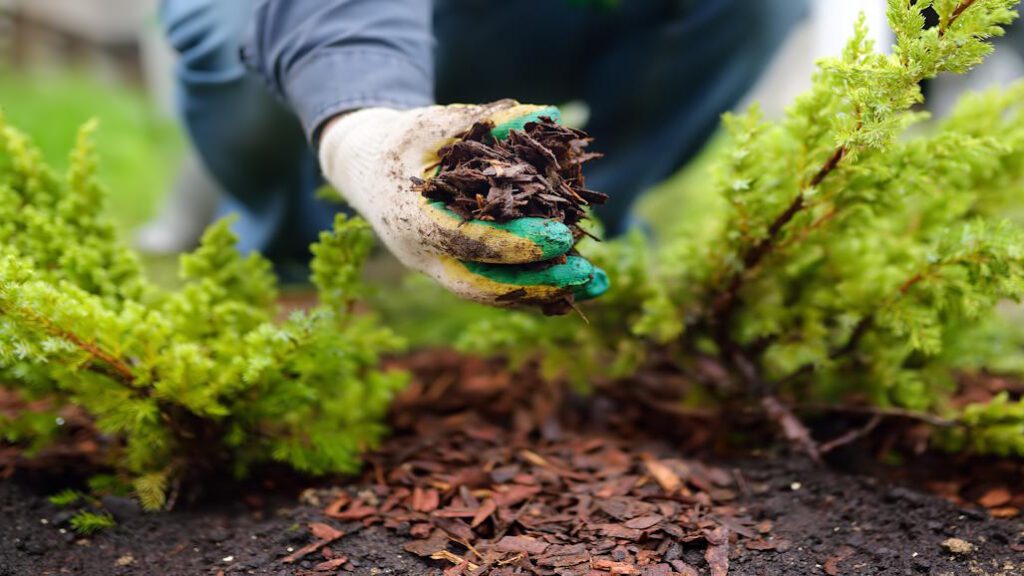
The Science of Winter Mulching
Winter mulching differs significantly from summer applications. Here are some things to consider:
-
- Timing Considerations: Applied after ground begins to cool but before hard freeze
-
- Insulation Focus: Creating stable soil temperatures rather than moisture conservation
-
- Material Selection: Choosing options with proper insulation properties
-
- Application Technique: Modified approaches for winter protection needs
Professional winter mulching protects plants primarily by moderating soil temperature fluctuations rather than conserving moisture, though both benefits apply.
Optimal Materials for Johnson County Winters
Certain mulch materials perform better for winter protection in our climate, such as:
Shredded Hardwood Mulch
-
- Excellent insulation properties with good ventilation
-
- Natural appearance blending with winter landscape
-
- Less likely to harbor rodents than some alternatives
-
- Gradual decomposition improving soil structure over time
Pine Straw
-
- Superior protection for perennial crowns and shallow roots
-
- Excellent insulation with proper air circulation
-
- Lightweight application less likely to smother plants
-
- Natural acidification benefiting certain plant varieties
Leaf Mulch
-
- Recycled resource often available on property
-
- Excellent insulation when properly shredded
-
- Nutrient contribution as decomposition occurs
-
- Cost-effective solution for larger areas
Compost Application
-
- Provides both protection and nutrition
-
- Excellent moisture management during winter precipitation
-
- Beneficial microbial activity during warmer periods
-
- Spring-ready growing environment as temperatures rise
Our winter mulching programs select optimal materials based on specific plant needs, property aesthetics, and practical considerations.
Application Techniques for Maximum Protection
Proper application significantly impacts winter mulch effectiveness. Here are some application tips.
-
- Crown Protection: Ensuring proper coverage of sensitive crown areas without smothering
-
- Depth Considerations: Generally 3 to 4 inches for winter applications, deeper than summer
-
- Plant Stem Clearance: Maintaining 2 to 3 inch clearance from woody stems and trunks
-
- Even Distribution: Creating consistent insulation across planting beds
-
- Edge Transitions: Tapering edges for both aesthetics and stability
We train our technicians in winter-specific mulching techniques that differ from standard landscape mulching practices used earlier in the season.
Strategic Pruning Before Winter
Fall Pruning Objectives and Limitations
Late fall pruning serves specific purposes with important limitations, such as:
Appropriate November Pruning
-
- Dead and Damaged Plant Removal: Eliminating compromised branches before winter stress
-
- Structural Pruning: Addressing weak attachments before ice and snow loading
-
- Hazard Management: Removing risks near structures and walkways
-
- Disease Control: Eliminating infected material in specific circumstances
Pruning to Avoid in Late Fall
-
- Spring-Flowering Shrubs: Would remove flower buds for next season
-
- Heavy Structural Pruning: May stimulate late growth vulnerable to early freezes
-
- Renewal Cutting: Better performed during dormancy or early spring
-
- Aesthetic Shaping: More appropriate during active growing season
Our arborists and horticulturists make careful pruning decisions based on plant species, condition, and location on your Johnson County property.
Winter Storm Preparation Pruning
Strategic pruning can significantly reduce winter storm damage, including:
-
- Crown Thinning: Reducing wind resistance in mature shade trees
-
- Co-Dominant Stem Management: Addressing potential split points before loading
-
- Crossing/Rubbing Branch Removal: Preventing winter movement damage
-
- Length Reduction: Shortening leveraged branches vulnerable to snow weight
This specialized pruning focus differs from standard aesthetic or health pruning, with specific emphasis on structural integrity during winter conditions.
Professional Tools and Techniques
Quality tools and proper techniques ensure optimal results. These are a few of the techniques we use:
-
- Clean Cutting Tools: Sanitized between properties and plants to prevent disease spread
-
- Proper Cutting Angles: Positioned to promote healing and prevent moisture collection
-
- Appropriate Sizing: Matching tool to branch diameter for clean cuts
-
- Minor Wound Management: Proper handling of necessary winter pruning cuts
Our technicians are trained in winter-appropriate pruning practices specific to plants common in Johnson County landscapes.
Winter Protection Installations for Vulnerable Plants
Anti-Desiccation Strategies for Evergreens
Evergreens require special protection against winter moisture loss, such as:
Anti-Transpirant Applications
-
- Specialized products creating protective barriers on leaf surfaces
-
- Reduced moisture loss during dry winter periods
-
- Especially valuable for broadleaf evergreens like rhododendrons and hollies
-
- Professional application timed before first hard freeze
Physical Wind Barriers
-
- Burlap screens positioned on windward sides
-
- Strategic placement protecting from northwest winter winds common in Johnson County
-
- Proper installation allowing ventilation while blocking direct wind
-
- Aesthetically considerate designs for prominent landscape areas
Proper Hydration Before Freeze
-
- Deep watering during November before ground freezes
-
- Moisture provision for winter metabolism and transpiration
-
- Focus on recently planted specimens with limited root systems
-
- Timed application based on soil temperature monitoring
These combined approaches significantly reduce winter burn on valuable evergreen specimens throughout Johnson County properties.
Structural Protection for Young Trees
Young trees benefit from several protective measures, such as:
Trunk Wrapping
-
- Light-colored materials reflecting winter sun and preventing temperature fluctuations
-
- Protection for thin-barked species particularly susceptible to sunscald
-
- Professional application ensuring proper coverage without constriction
-
- Timed removal in spring before growth resumes
Temporary Supports
-
- Guying systems preventing winter movement and root disruption
-
- Support structures for trees in exposed locations
-
- Snow load protection for flexible young specimens
-
- Proper tension adjustments preventing damage
Rodent Guards
-
- Physical barriers preventing vole and rabbit damage during snow cover
-
- Height adjusted based on typical snow accumulation in specific areas
-
- Ventilated designs preventing moisture accumulation
-
- Professional installation preventing constriction or bark damage
These protective installations are particularly important for newly planted trees that represent significant landscape investments.
Perennial Bed Protection
Specialized approaches for herbaceous perennial gardens, including:
Rose Protection Systems
-
- Customized mounding for hybrid tea and grafted varieties
-
- Proper collar coverage protecting graft unions
-
- Insulating materials applied after initial freeze but before deep cold
-
- Spring removal timed with temperature patterns
Sensitive Perennial Protection
-
- Microclimate creation for borderline hardy specimens
-
- Cut stems providing natural protection for crown areas
-
- Strategic mulching of crown zones on heaving-prone plants
-
- Plant-specific approaches based on individual vulnerability
Ornamental Grass Management
-
- Selective cutting versus valuable winter structure retention
-
- Binding techniques preventing snow damage to decorative specimens
-
- Creating natural insulation with collapsed foliage where appropriate
-
- Aesthetic consideration for winter landscape appearance
Our perennial protection programs balance immediate protection needs with long-term plant health and winter landscape aesthetics.
Winter Container and Hardscape Protection
Container Plant Strategies
Potted plants require special winter consideration, such as:
-
- Consolidation Techniques: Grouping containers creating mutual protection
-
- Material Insulation: Wrapping containers to prevent freeze-through
-
- Soil Management: Ensuring proper moisture before freeze
-
- Relocation Options: Moving vulnerable containers to protected areas
-
- Storage Solutions: Semi-dormant protection for tender specimens
These approaches protect both valuable plants and containers that may crack during freeze-thaw cycles.
Hardscape Winterization
Protecting landscape structures ensures longevity. Consider the following:
-
- Irrigation System Blowouts: Complete water removal preventing freeze damage
-
- Fountain and Water Feature Preparation: Proper drainage and component protection
-
- Furniture Treatment: Appropriate cleaning and covering or storage
-
- Natural Stone Protection: Sealing preventing moisture penetration and spalling
-
- Wooden Element Preparation: Treatment preventing winter moisture damage
Our comprehensive winterization services protect both living and structural elements throughout your Johnson County property.
Post-Protection Maintenance Through Winter
Monitoring and Adjustment Strategies
Winter protection requires occasional attention, such as:
-
- Snow Load Management: Removal from vulnerable structures and evergreens after heavy accumulation
-
- Protection System Checks: Adjusting after significant weather events
-
- Hydration During Winter Thaws: Monitoring for desiccation during warm periods
-
- Wildlife Damage Inspection: Checking for pest activity around protected plants
-
- Salt Damage Prevention: Maintaining buffers from roadway and walkway treatments
Our winter maintenance programs include regular property checks ensuring protection systems remain effective throughout the season.
Timing Spring Protection Removal
Proper removal timing is critical for plant health. Consider the following:
-
- Temperature Monitoring: Tracking soil and air temperature trends
-
- Gradual Transition: Phased removal preventing shock to protected plants
-
- Protection Reapplication: Temporary systems during late-season cold threats
-
- Plant-Specific Timing: Varied schedules based on individual species requirements
Our year-round service calendar includes properly timed protection removal and transition to spring maintenance activities.
Special Considerations for Johnson County Microclimates
Northern Johnson County (Overland Park, Prairie Village, Fairway)
-
- More urban heat island effect moderating temperature extremes
-
- Greater salt exposure near major roadways requiring additional protection
-
- Often more mature landscapes with established plants requiring less intervention
-
- Typically smaller properties allowing more intensive protection strategies
Southern Johnson County (Olathe, Spring Hill, Stilwell)
-
- More rural settings with greater temperature fluctuations
-
- Stronger wind exposure requiring enhanced protection
-
- Often newer landscapes with higher percentages of vulnerable young plants
-
- Typically larger properties requiring prioritized protection approaches
Eastern Johnson County (Leawood, Mission Hills)
-
- More extensive tree canopy creating natural windbreaks
-
- Often higher value landscapes justifying comprehensive protection
-
- Greater prevalence of borderline-hardy ornamental specimens
-
- Frequently stricter HOA requirements for winter landscape aesthetics
Our protection programs are customized based on these regional variations throughout Johnson County.
Case Studies: Johnson County Winter Protection Success
Overland Park Colonial Revival
-
- Challenge: Extensive foundation plantings with valuable broadleaf evergreens
-
- Solution: Comprehensive anti-desiccation strategy with targeted wind protection
-
- Result: Complete prevention of winter burn despite extreme temperature fluctuations
Leawood Estate Property
-
- Challenge: Significant investment in newly installed specimen trees
-
- Solution: Multi-layered protection with trunk wrapping, mulching, and windbreaks
-
- Result: 100% survival and minimal stress response during spring evaluation
Prairie Village Mid-Century Modern
-
- Challenge: Architecturally significant landscape with exposure challenges
-
- Solution: Aesthetically considerate protection systems maintaining design integrity
-
- Result: Protected valuable specimens while preserving winter landscape appearance
Professional Services vs. DIY Winter Protection
The Value of Professional Winterization
Several factors make professional services advantageous, including:
-
- Timing Expertise: Precise scheduling based on weather patterns and soil temperatures
-
- Material Quality: Access to commercial-grade protection materials not available at retail
-
- Application Efficiency: Proper installation techniques ensuring effectiveness
-
- Property-Specific Customization: Protection strategies tailored to your exact landscape
-
- Comprehensive Approach: All vulnerable areas addressed systematically
Our winter protection programs deliver peace of mind through proven techniques developed specifically for Johnson County’s climate challenges.
DIY Winter Protection Guidelines
For homeowners handling their own winter preparation, consider the following:
-
- Priority Establishment: Focusing first on most valuable and vulnerable specimens
-
- Research Importance: Understanding specific needs of different plant varieties
-
- Material Selection: Choosing appropriate protection components for each application
-
- Installation Timing: Monitoring weather forecasts for optimal protection window
-
- Consistent Monitoring: Regular checks throughout winter ensuring continued protection
Consider our professional consultation services to develop a winter protection plan you can implement yourself with proper guidance.
November provides the critical window for winter protection installation throughout Johnson County. By implementing appropriate mulching, pruning, and protection strategies before severe cold arrives, you can significantly reduce winter damage to your valuable landscape. These preventative measures not only protect your current investment but ensure more vigorous growth and reduced replacement costs when spring returns.
Our Overland Park-based landscape team specializes in comprehensive winter protection services for residential and commercial properties throughout Johnson County. Contact us today to schedule your professional winterization service and ensure your landscape is properly prepared for the challenging winter months ahead.